The Unfolding Tragedy of Operation Epic Fury and Its Global Repercussions

The launch of Operation Epic Fury on February 28, 2026, marked a turning point in the Middle East conflict 2026. What began as a coordinated military campaign by the United States and Israel to dismantle Iran’s nuclear capabilities quickly escalated into a prolonged war of attrition. As of mid-April 2026, the conflict shows no clear diplomatic solution, and its devastating effects ripple far beyond the immediate battlegrounds. This post examines the unfolding tragedy of the US Iran war 2026, its impact on the region, and the broader global consequences, especially for countries like India.
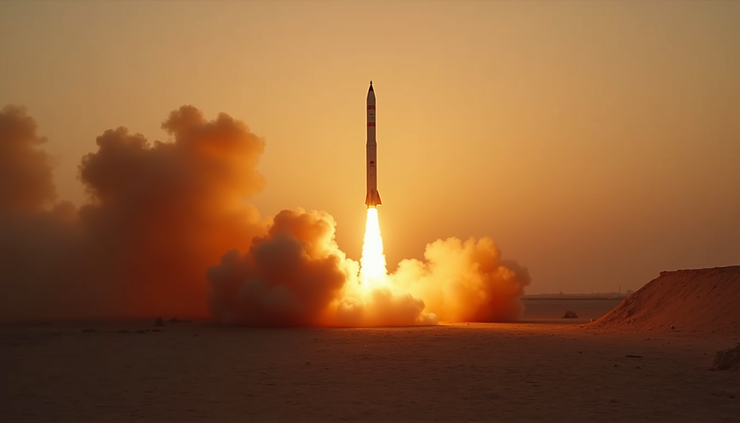
The Escalation of Operation Epic Fury
The initial goal of Operation Epic Fury was precise: to neutralize Iran’s nuclear program through targeted strikes. However, the reality on the ground quickly diverged from this plan. The conflict expanded into multiple fronts, involving Iran’s missile and drone attacks across nine countries, including Lebanon, Bahrain, and Kuwait. The US Central Command reported over 5,000 strikes inside Iran within the first 100 hours, costing American taxpayers approximately $3.7 billion, mostly unbudgeted.
The war’s expansion drew in Hezbollah in Lebanon, which has intensified the violence and displacement in the region. Over 750,000 people have been forced to flee their homes in Lebanon alone. The human cost inside Iran is staggering, with more than 1,400 casualties reported. The conflict’s reach has also extended into the digital realm, with attacks damaging critical infrastructure such as Amazon’s data centers in Bahrain.
The Regional Humanitarian Crisis
The Middle East conflict 2026 has created a humanitarian disaster. Civilians in Iran, Lebanon, Bahrain, and Kuwait are caught in the crossfire, suffering from displacement, loss of life, and destruction of essential services. The displacement of hundreds of thousands in Lebanon has overwhelmed neighboring countries and humanitarian organizations.
The war has disrupted daily life, with air travel across the Gulf region severely affected. The destruction of infrastructure has led to shortages of food, medical supplies, and clean water in many areas. The conflict’s intensity and duration have made it clear that no one in Tehran, Beirut, Bahrain, or Kuwait voted for this war, yet they bear its heaviest burdens.
Economic Fallout and the Global Oil Crisis 2026
One of the most immediate global consequences of the US Iran war 2026 is the surge in oil prices. Brent crude oil prices have crossed the $100 per barrel mark, driven by instability in the Strait of Hormuz. This narrow waterway is critical, as roughly 20% of the world’s daily oil supply passes through it. Disruptions here have triggered fears of a global oil crisis 2026.
Developing economies, including India, face the brunt of this crisis. India imports a significant portion of its oil from the Gulf region, and rising prices threaten to increase fuel costs, inflation, and economic instability. The ripple effects extend to transportation, manufacturing, and agriculture sectors, which depend heavily on affordable energy.

The Political and Diplomatic Deadlock
Despite public diplomatic efforts, behind-the-scenes lobbying played a significant role in the conflict’s outbreak. Reports from The Washington Post and The Wall Street Journal reveal that Saudi Arabia and Israel repeatedly urged the Trump administration to approve the strikes against Iran. Meanwhile, intelligence agencies tracked the Iranian Supreme Leader’s movements in secret, even as public diplomacy continued.
Attempts to limit presidential authority over the war failed in the US Senate, leaving decision-making unchecked by democratic processes. This lack of oversight has raised concerns about accountability and the long-term consequences of the conflict. The absence of a clear diplomatic off-ramp means the war could drag on, further destabilizing the region.
Impact on India and the Indian Diaspora
India’s position in the Middle East conflict 2026 is complex and precarious. The country has strong economic ties with Gulf nations, and millions of Indian expatriates live and work in the region. The ongoing conflict threatens their safety and livelihoods. Disruptions in air travel and trade routes have already affected the flow of goods and people.
The global oil crisis 2026 directly impacts India’s economy. Higher fuel prices increase transportation and production costs, which can lead to inflation and slow economic growth. The government faces pressure to find alternative energy sources and strengthen diplomatic ties to navigate this crisis.
For young Indians interested in geopolitics, the conflict highlights the interconnectedness of global events and their local consequences. It underscores the importance of informed foreign policy and the need for peaceful conflict resolution.

The Digital and Infrastructure Dimension
The conflict is not limited to physical warfare. Cyberattacks and sabotage have targeted digital infrastructure, including Amazon’s data centers in Bahrain. These attacks disrupt communication, commerce, and government operations, adding another layer of complexity to the conflict.
The destruction of economic and digital infrastructure threatens the stability of the entire region. It hampers recovery efforts and prolongs the suffering of civilians. The war’s impact on technology and infrastructure shows how modern conflicts extend beyond traditional battlefields.
Looking Ahead: What Can Be Done?
The ongoing US Iran war 2026 and Operation Epic Fury reveal the dangers of military escalation without clear diplomatic strategies. The international community must push for renewed dialogue and conflict resolution mechanisms. Regional actors, including India, can play a role in advocating for peace and stability.
Energy diversification and investment in renewable sources are critical to reducing vulnerability to oil price shocks. Governments and businesses should prepare for continued volatility in global markets.
For individuals, staying informed and engaged with global affairs is essential. Understanding the human and economic costs of conflict encourages support for peaceful solutions and humanitarian aid.


