The Silent Crisis of India's Handloom Weavers: From Craftsmanship to Abandonment

Varanasi once thrived with an estimated 1.2 million handloom weavers, a community that carried the legacy of weaving for ten generations. Today, this number has drastically fallen. Families who once wove exquisite Banarasi silk saris now send their children to cities to work in factories. The income from handloom weaving no longer supports a sustainable life. This blog explores the deep-rooted Indian handloom weavers poverty crisis, the exploitation faced by Banarasi silk weavers, and the challenges posed by modern industry policies and competition.

The Economic Reality Behind Banarasi Silk Weaving
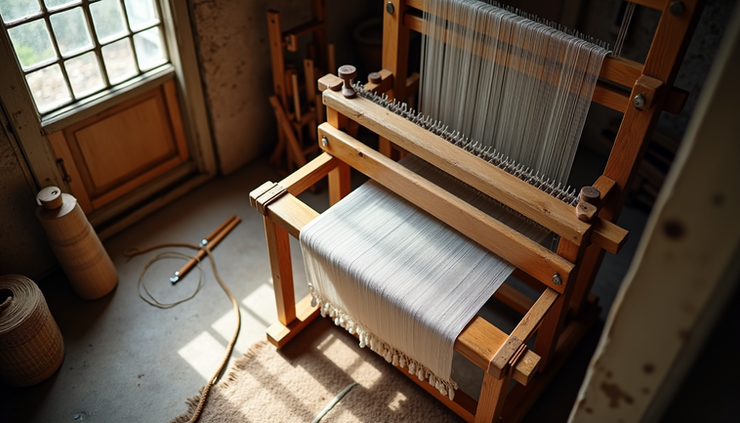
A Banarasi silk sari, produced on a jacquard handloom, represents months of labor. The zari thread is worked by hand into patterns inspired by centuries-old Mughal court aesthetics. These saris retail for lakhs of rupees, reflecting their cultural and artistic value. Yet, the weaver who creates these masterpieces earns between Rs 200 and Rs 500 per day. This income falls below the daily wage floor set by MGNREGA, India’s rural employment guarantee scheme.
According to the National Federation of Handloom and Handicrafts, 67 percent of India's handloom weavers earn less than Rs 5,000 a month. This stark contrast between the sari’s retail price and the weaver’s income highlights the Banarasi silk weaver income exploitation. The weaver, despite being one of India’s most celebrated artisans, remains among its most economically abandoned workers.
The Structural Challenges Facing Handloom Weavers
The reasons behind this crisis are clear but politically complex. The handloom sector is the second-largest rural employer in India after agriculture. It supports 35 lakh workers, 72 percent of whom are women, mostly from Dalit, Adivasi, OBC, and minority communities. Despite its social importance, the sector faces systematic neglect.
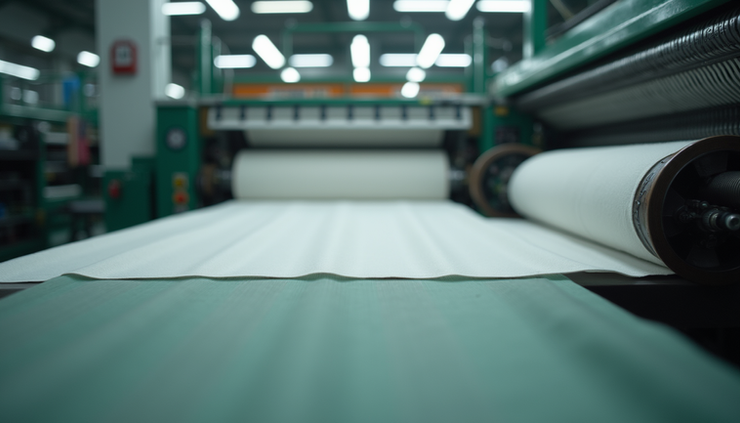
The rise of the power loom has severely undercut handloom weaving. A power loom can produce in hours what a handloom weaver takes weeks to complete. These machine-made products flood the market with near-identical imitations that are difficult for the untrained eye to distinguish from genuine handloom goods. This competition drives consumers and retailers to prefer cheaper power loom products.
The traditional supply chain further disadvantages weavers. Middlemen extract most of the value, with estimates suggesting weavers receive as little as 5 percent of the final retail price. These middlemen advance yarn costs and keep weavers in arrangements resembling bonded labor. This system exploits the cultural premium attached to handloom products while leaving weavers in poverty.
Policy Failures and the Impact of GST on Handloom
Government policies have not helped the handloom sector survive. The Make in India handloom failure is evident in the lack of effective support for weavers. One significant policy issue is the Goods and Services Tax (GST) set at 18 percent on handloom products from 2025. This tax rate is high compared to other sectors and adds to the financial burden on weavers and small-scale producers.
The GST increase discourages consumers from buying authentic handloom products, pushing them towards cheaper power loom alternatives. This tax policy, combined with insufficient subsidies and lack of market access, deepens the Indian handloom weavers poverty crisis.
The Growing Wage Gap and Its Consequences
The 8th Pay Commission plans to raise central government minimum wages to Rs 30,000 per month starting January 2026. In contrast, handloom weavers earn about one-sixth of this amount. This widening wage gap reflects the economic abandonment of these artisans.
The power loom vs handloom India debate is not just about technology but about survival. Power looms offer speed and low cost, but handlooms preserve cultural heritage and craftsmanship. Without urgent intervention, the handloom sector risks extinction, along with the livelihoods of millions.
What Can Be Done to Support Handloom Weavers?
To address this crisis, several steps are necessary:
Policy reforms to reduce GST on handloom products and provide direct subsidies to weavers.
Fair pricing models that ensure weavers receive a larger share of the retail price.
Market access improvements through online platforms and cooperative societies to bypass exploitative middlemen.
Consumer awareness campaigns to educate buyers about the value of authentic handloom products.
Skill development and innovation to help weavers adapt designs while preserving traditional techniques.
Supporting handloom weavers means preserving India’s rich textile heritage and empowering marginalized rural communities.


