The Rise of Immersive Cultural Travel Redefining Connection in 2026

Travel in 2026 no longer revolves around ticking off famous landmarks or visiting popular destinations. Instead, it centers on deep, emotional, and immersive experiences that connect travelers with the heart of a place. #CulturalTravel #ImmersiveTourism #FutureOfTravel #GlobalCulture #TravelTrends Around the world, people are moving away from checklist tourism and seeking culturally rich journeys that blend tradition, technology, and storytelling. This shift is transforming how travelers engage with destinations, how local communities participate in tourism, and how the future of global travel unfolds.

Immersive Travel Experiences Transforming Cultural Tourism in 2026
Immersive travel experiences have become the new standard for cultural tourism in 2026. Travelers no longer want to simply observe; they want to participate, feel, and understand. This means engaging with local customs, arts, and histories in ways that are authentic and meaningful.
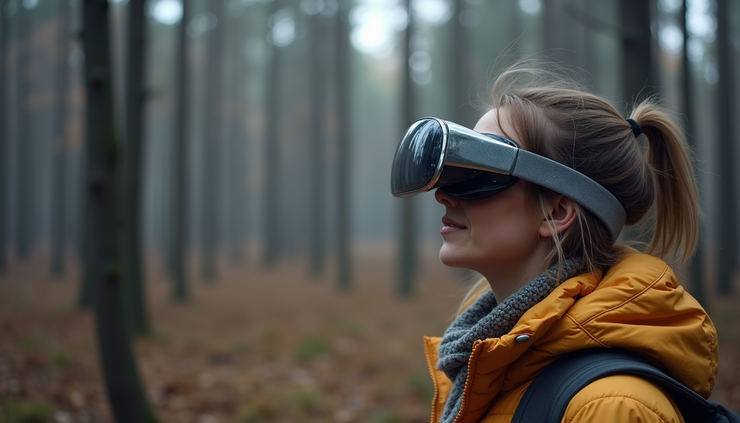
For example, in Kyoto, visitors can join AI-guided heritage walks that use spatial computing to bring ancient stories to life. These walks combine real-world exploration with augmented reality, allowing travelers to see historical events unfold around them. This approach creates a powerful emotional connection to the city’s rich past.
In Morocco, desert rituals have evolved into multisensory experiences where travelers participate in traditional ceremonies enhanced by soundscapes and light installations. These rituals invite visitors to engage all their senses, creating memories that go beyond photographs.
Scandinavia offers augmented reality art trails that weave together contemporary art with natural landscapes. Travelers follow these trails to discover hidden artworks that tell stories about local identity and environment, blending technology with cultural expression.
These examples highlight how experiential tourism trends are reshaping cultural tourism in 2026. The focus is on connection—connecting travelers to places, to people, and to stories that matter.
How Technology and Tradition Blend to Create New Luxury Travel Evolution
Luxury travel has evolved from lavish accommodations and exclusive access to a deeper form of luxury: connection. The future of global travel embraces technology not as a distraction but as a tool to enhance cultural immersion.
Spatial computing, augmented reality, and AI are now common features in cultural tourism. They help create personalized experiences that adapt to individual interests and learning styles. For instance, museums and historic districts are no longer static spaces. They have become living narratives where visitors interact with exhibits through digital storytelling and immersive environments.
At the same time, sustainable design plays a crucial role. Governments and creative collectives prioritize eco-friendly infrastructure that respects local ecosystems and heritage. This ensures that immersive travel experiences do not come at the expense of the environment or community well-being.
Artisans, historians, and performers have become central figures in this new luxury travel evolution. Their skills and knowledge enrich the visitor experience and support local economies. Travelers can attend workshops led by master craftsmen, participate in storytelling sessions with local elders, or enjoy performances that blend traditional and contemporary art forms.

Economic and Social Impact of Immersive Cultural Tourism 2026
The shift toward immersive cultural tourism in 2026 has significant economic and social effects. Local communities benefit as artisans, performers, and historians become key contributors to tourism value chains. This creates new job opportunities and helps preserve cultural heritage.
Technology ensures that these experiences remain personalized and environmentally responsible. For example, AI can tailor tours to avoid overcrowding and reduce environmental impact. It also helps track visitor feedback to improve cultural offerings continuously.
Governments worldwide are investing in transforming festivals, museums, and historic districts into interactive spaces. These initiatives attract travelers who seek meaningful engagement rather than superficial sightseeing. The result is a more sustainable tourism model that balances visitor satisfaction with cultural preservation.
This approach also fosters cross-cultural understanding. Immersive travel experiences encourage empathy and respect by allowing travelers to see the world through local perspectives. This contributes to a more connected and compassionate global community.
The Future of Global Travel as a Form of Storytelling
As borders between travel, art, and identity blur, immersive cultural journeys emerge as powerful storytelling tools. Travelers become part of narratives that celebrate diversity and shared humanity.
Experiential tourism trends in 2026 emphasize slowing down and savoring moments. In a fast-moving digital world, meaningful travel offers a chance to remember who we are by connecting with others and with history.
This new form of travel invites everyone to become storytellers. Whether through participating in a traditional craft, exploring augmented reality trails, or joining a community festival, travelers contribute to living stories that evolve with each visit.
Embracing Immersive Cultural Travel in Your Next Journey
For global travelers, digital nomads, culture enthusiasts, and luxury travel planners, embracing immersive travel experiences means seeking journeys that offer depth and connection. Here are some practical tips to get started:
Research destinations that prioritize cultural immersion and sustainability.
Look for tours and experiences that involve local artisans, historians, or performers.
Choose accommodations and activities that use technology to enhance storytelling without overshadowing tradition.
Engage with local communities respectfully and be open to learning.
Consider travel options that minimize environmental impact.
By focusing on these elements, travelers can enjoy the luxury travel evolution that defines cultural tourism in 2026. This approach not only enriches personal experiences but also supports the preservation and celebration of global cultures.


