The High Cost of UPSC Dreams: Is the Pressure Worth the Price?

In March 2026, the Union Public Service Commission (UPSC) announced the results of the Civil Services Examination 2025. Out of nearly 13 lakh candidates who appeared for the prelims, only 958 were recommended for appointment. This means the India civil services selection rate stands at a mere 0.07 percent. This figure has remained almost unchanged over the past decade, even as the number of applicants steadily increased toward 15 lakh. The UPSC exam opportunity cost India aspirants face is growing, not because the exam has become easier, but because it has become more crowded. For many, the exam represents a significant portion of their adult lives, filled with sacrifice and uncertainty.
The Growing Scale of the IAS Coaching Industry Revenue
The UPSC coaching industry in India has expanded into a massive informal economy, estimated to generate between Rs 3,500 crore and Rs 22,000 crore annually. This wide range reflects the difficulty in tracking an industry built largely on informal and unregulated coaching centers. At the top of this pyramid, individual coaching platforms rake in hundreds of crores. For example, Drishti IAS reported approximately Rs 400 crore in revenue in FY 2024, with its Mukherjee Nagar UPSC coaching center contributing nearly 58 percent of that amount.
Mukherjee Nagar and Old Rajendra Nagar in Delhi have become hubs for UPSC aspirants. These neighborhoods form entire ecosystems around the exam preparation process. Cramped paying guest accommodations, photocopy shops, test series stalls, and quiet rooms filled with hopeful candidates create an intense atmosphere. The IAS coaching industry revenue thrives regardless of whether aspirants succeed or fail. The financial burden falls squarely on the students and their families.

The Mental Health Crisis Among UPSC Aspirants
The cost of UPSC preparation is not only financial. Studies reveal that 65 percent of students preparing for competitive exams in India experience high stress levels, and 42 percent show symptoms of depression. The pressure to succeed in an exam with such a low India civil services selection rate takes a heavy toll on mental health.
In July 2025, a 25-year-old UPSC aspirant named Tarun Thakur was found dead in his rented room in Old Rajendra Nagar. His death highlighted the mental health crisis gripping many aspirants. Tarun had written that he bore responsibility for his decision alone, but his story resonated deeply with others facing similar struggles. The intense competition, long hours of study, and uncertainty about the future create an environment where mental health often suffers.
The UPSC aspirants mental health crisis is a growing concern that demands attention from policymakers, educators, and society. Support systems and counseling services remain scarce, leaving many aspirants to cope alone.
The Real Opportunity Cost of UPSC Preparation
The UPSC exam opportunity cost India aspirants face goes beyond money and mental health. Many candidates spend years preparing for the exam, putting their careers, relationships, and personal growth on hold. The dream of becoming an IAS officer drives them to sacrifice other opportunities, such as stable jobs or higher education abroad.
For example, a candidate might spend three to five years in intense preparation, attending coaching classes, taking mock tests, and revising endlessly. During this time, they may miss out on work experience or other career advancements. Even after clearing the exam, the journey continues with training and postings that demand further personal adjustments.
The crowded nature of the exam means that many aspirants repeat the process multiple times, increasing the opportunity cost. Families often invest significant resources to support their children’s preparation, hoping for a secure future. Yet, the low selection rate means most will not realize this dream.

Mukherjee Nagar UPSC Coaching and Its Impact
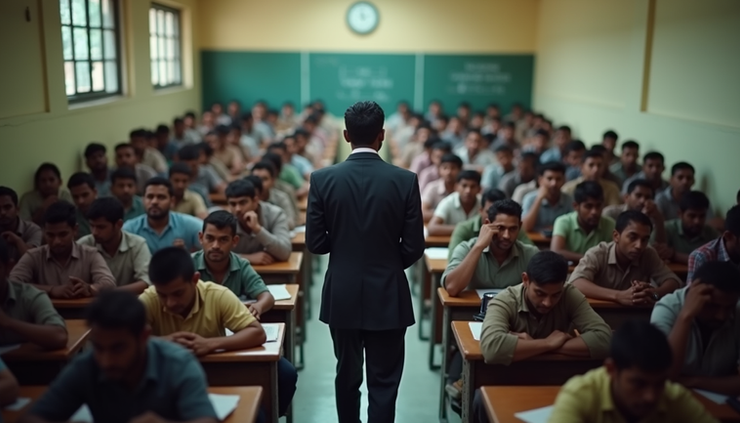
Mukherjee Nagar has become synonymous with UPSC preparation. The area attracts thousands of aspirants every year, creating a unique ecosystem that supports the coaching industry. The concentration of coaching centers, bookstores, and affordable accommodations makes it a natural choice for many.
However, this concentration also intensifies competition and pressure. The environment can feel isolating and stressful, with students often living in cramped spaces and focusing solely on their studies. The IAS coaching industry revenue generated here reflects the high demand but also the high stakes involved.
Despite the challenges, many aspirants find motivation in the community and resources available in Mukherjee Nagar. The coaching centers offer structured guidance, test series, and mentorship that can improve chances of success. Still, the mental health challenges and financial burdens remain significant.
What Can Be Done to Support Aspirants?
The UPSC aspirants mental health crisis and the high opportunity cost call for urgent action. Some steps that could help include:
Improved counseling services: Coaching centers and universities should provide mental health support tailored to aspirants’ needs.
Financial aid and scholarships: Reducing the financial burden can help level the playing field for candidates from diverse backgrounds.
Awareness campaigns: Promoting realistic expectations and healthy study habits can reduce stress.
Policy reforms: Exploring ways to increase the India civil services selection rate or diversify recruitment methods could ease pressure.
Community support: Building peer networks and support groups can help aspirants share experiences and reduce isolation.
Families and society also play a role in supporting aspirants emotionally and financially. Recognizing the sacrifices involved and encouraging balanced preparation can make a difference.
Reflecting on the Price of UPSC Dreams
The UPSC exam opportunity cost India aspirants face is immense. The low India civil services selection rate means that most candidates will not achieve their goal despite years of effort and significant expense. The IAS coaching industry revenue continues to grow, fueled by aspirants’ hopes and sacrifices, especially in hubs like Mukherjee Nagar UPSC coaching centers.
The mental health crisis among UPSC aspirants is a serious issue that requires attention beyond the exam hall. The pressure to succeed can lead to stress, depression, and tragic outcomes. Supporting aspirants with counseling, financial aid, and community resources is essential.
Ultimately, the question remains: is the pressure worth the price? For many, the dream of serving the nation as an IAS officer justifies the cost. For others, the journey reveals the need for a more supportive and sustainable system. Recognizing the real costs involved can help aspirants, families, and policymakers create a healthier path forward.


