The Hidden Cost of India's Electric Future: Uncovering the Environmental Paradox

India is racing toward an electric future with strong government support. Tax rebates, FAME-II subsidies, reduced GST, and the ₹10,900 crore PM E-DRIVE scheme make electric vehicles (EVs) more affordable and accessible than ever. On the surface, this looks like a major step forward for sustainability and climate action. Yet, beneath this progress lies a troubling reality few discuss openly.
The batteries powering these EVs depend heavily on lithium, a resource concentrated in the so-called Lithium Triangle — the salt flats of Argentina, Bolivia, and Chile. This region holds about half of the world’s known lithium reserves. Extracting lithium here comes at a steep environmental and social cost, especially to Indigenous communities. This blog explores the electric vehicle environmental impact hidden behind India’s EV subsidies and the urgent need for transparency and responsibility.
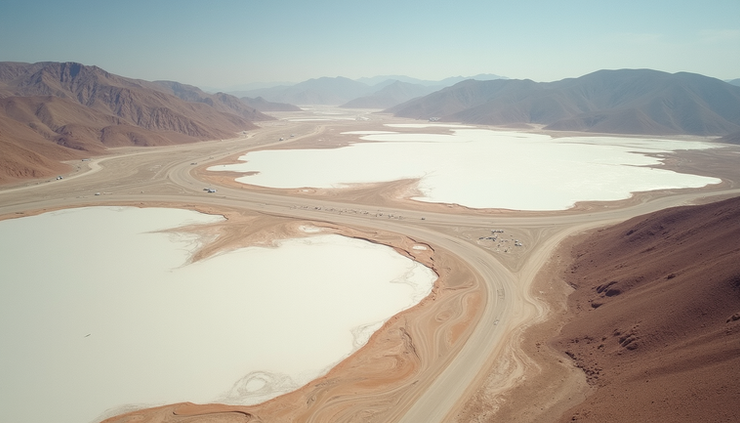
The Lithium Triangle and Its Global Importance
The Lithium Triangle is a high-altitude region in South America, spanning parts of Argentina, Bolivia, and Chile. It contains some of the richest lithium deposits on Earth, essential for manufacturing lithium-ion batteries used in EVs worldwide. India’s growing demand for electric vehicles means more lithium must be mined from this fragile ecosystem.
The Lithium Triangle holds roughly 50% of global lithium reserves.
Lithium carbonate production requires massive amounts of water.
The Atacama Salt Flat in Chile is one of the driest places on Earth.
Extracting just one tonne of lithium carbonate at the Atacama Salt Flat consumes about 500,000 litres of brine water. This water-intensive process has led to severe water shortages in the region, threatening local agriculture and wildlife.
Environmental Impact of Lithium Mining in India’s EV Supply Chain
India’s push for EV adoption depends on lithium sourced from the Lithium Triangle. While the government promotes subsidies like FAME-II to encourage electric vehicle use, the electric vehicle environmental impact extends far beyond Indian borders.
Water Crisis in Atacama
In Chile’s Salar de Atacama, lithium mining has already consumed 65% of the region’s water supply. This depletion affects:
Farming and livestock of Indigenous communities.
Traditional crops like quinoa and maize.
Camelid herding, a cultural and economic practice.
The Atacama lithium water crisis is a direct consequence of rapid lithium extraction, which disrupts the fragile desert ecosystem and threatens the livelihoods of local people.
Human Rights Concerns
A 2025 study revealed that both governments and mining companies in the Lithium Triangle have failed to uphold human rights obligations. Indigenous communities have:
Not shared in the economic benefits of lithium mining.
Suffered environmental damage without compensation.
Experienced loss of access to clean water and traditional lands.
This situation highlights the lithium triangle human rights dilemma, where the global demand for clean energy materials clashes with the rights and well-being of vulnerable populations.

India’s EV Subsidies and the Greenwashing Debate
India’s government offers generous subsidies to promote electric vehicles, including tax rebates and the PM E-DRIVE scheme. These incentives aim to reduce pollution and dependence on fossil fuels. Yet, critics argue that these subsidies contribute to India EV subsidy green washing by ignoring the environmental and social costs embedded in the lithium supply chain.
What Greenwashing Means Here
Greenwashing refers to presenting an initiative as environmentally friendly while hiding its negative impacts. In this case:
EV subsidies in India encourage lithium demand without addressing mining impacts.
The environmental destruction in the Lithium Triangle remains invisible to Indian consumers.
Indigenous communities affected by lithium mining receive no benefits from India’s subsidies.
This disconnect creates a paradox: every rupee spent on EV subsidies in Indian cities indirectly finances environmental harm thousands of miles away.
The Scale of Future Demand
Demand for lithium is expected to increase dramatically:
18 times higher by 2030.
60 times higher by 2050.
This surge means the lithium mining India EV supply chain will expand rapidly, intensifying water crises and human rights violations unless urgent reforms occur.
What Can Indian Consumers and Policymakers Do?
Awareness is the first step toward addressing this paradox. Urban EV buyers, sustainability researchers, and climate activists in India can:
Demand transparency from EV manufacturers about lithium sourcing.
Support policies that promote ethical mining practices and fair compensation.
Encourage investment in alternative battery technologies with lower environmental footprints.
Push for international cooperation to protect Indigenous rights in lithium-rich regions.
Policymakers must balance the benefits of EV adoption with the responsibility to minimize harm in the global supply chain.

Moving Toward Honest Sustainability
India’s electric future holds great promise for reducing carbon emissions and improving air quality. Yet, the electric vehicle environmental impact cannot be fully understood without recognizing the hidden costs of lithium mining in the Lithium Triangle.
The government’s subsidies and incentives should not mask the environmental and human rights challenges faced by Indigenous communities in South America. Honest sustainability means acknowledging these trade-offs and working toward solutions that respect people and ecosystems everywhere.
India’s EV revolution can lead the way by embracing transparency, ethical sourcing, and innovation. Only then can the promise of clean transportation be truly green and just.


