The Hidden Costs of India's Middleman Economy in Agriculture

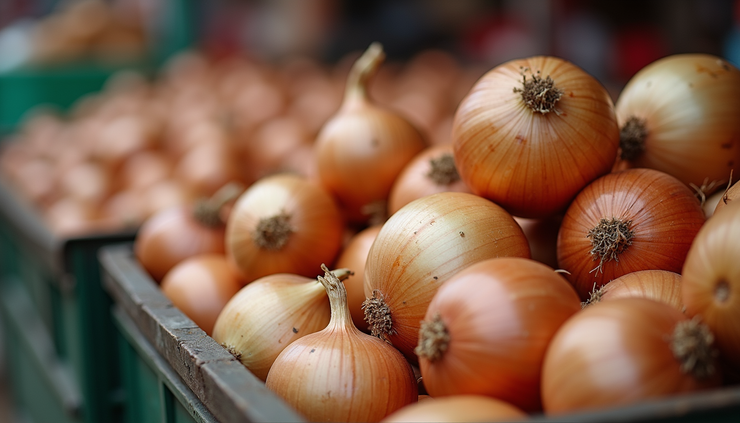
An onion farmer in Nashik wakes up at 5 AM, walks into his field, and harvests onions he will sell for ₹2 per kilogram. Yet, that same onion, after traveling 1,400 kilometres north to Delhi, sits in a vegetable crate priced at ₹60 per kilogram. This vast difference between the farmer onion price and the consumer price is not a simple matter of transportation or storage costs. It reveals a deeper issue: the middleman economy agriculture India has fostered over decades, which exploits farmers and inflates prices for consumers.
This blog explores the layers of intermediaries in the India agriculture supply chain exploitation, the role of the APMC mandi system India, and how this middleman economy drains value from farmers while burdening consumers.
The Farmer Onion Price Gap and Its Causes
The farmer onion price gap middlemen create is staggering. A study by Global AgriSystem found that in major cities like Delhi, Mumbai, Bangalore, and Kolkata, there are on average 5 to 6 intermediaries between the farmer and the consumer. These middlemen include licensed traders, commission agents, transporters, cold storage operators, and wholesalers. Each takes a cut, inflating prices by 60 to 75 percent before the product reaches the consumer.
Farmers receive only 20 to 25 percent of the final consumer price. For example, if an onion sells for ₹60 per kilogram in Delhi, the farmer might get just ₹12 to ₹15. This imbalance shows how the middleman economy agriculture India has built works against the primary producers.
The Reserve Bank of India (RBI) confirms this pattern. Their study shows that only about one-third of what consumers pay for staples like tomatoes, onions, and potatoes reaches the farmers. The rest is absorbed by the chain of intermediaries who do not engage in farming but control the supply chain.
How the APMC Mandi System India Enables Exploitation
At the heart of this system lies the Agricultural Produce Market Committee (APMC) mandi system India. Mandis are regulated markets where farmers must sell their produce through licensed traders and commission agents called arhatiyas. This system was originally designed to protect farmers from exploitation but has instead created a cartel that controls prices and market access.
Arhatiyas exploit farmers by offering low prices, rejecting produce unfairly, using inaccurate weighing scales, and delaying payments. Farmers have little choice but to accept these terms because the mandi system restricts direct sales to consumers or retailers.
Additional charges such as market fees, commission charges, and rural development cess further reduce the farmer’s earnings. These levies are built into the mandi system and are not optional. This structure means the farmer’s share of the consumer price shrinks even more.

The Impact of Poor Cold Chain Infrastructure
Another factor worsening the farm to consumer price spread India faces is the lack of cold storage and proper logistics. Approximately 90 percent of India’s fruits and vegetables move to market without any cold storage facilities. This forces farmers to sell their produce immediately after harvest, often at low prices, to avoid spoilage.
Take Malihabad in Uttar Pradesh, famous for its mangoes. During peak season, farmers bring 2,500 metric tonnes of mangoes to market daily. Yet, the region’s only packhouse can store just 20 tonnes per day. This severe shortage means most mangoes must be sold quickly, often at prices far below their potential value.
Without cold storage, farmers cannot wait for better market conditions or negotiate better prices. This lack of infrastructure strengthens the middleman economy agriculture India depends on, as intermediaries often control access to storage and transport.
Consequences for Farmers and Consumers
The middleman economy agriculture India has created leads to several negative outcomes:
Farmers earn a fraction of the consumer price. This reduces their income and discourages investment in better farming practices.
Consumers pay inflated prices. The high mark-ups by intermediaries increase the cost of essential food items.
Food wastage increases. Poor cold chain infrastructure leads to spoilage and loss of perishable produce.
Market inefficiencies persist. The cartel-like behavior in mandis limits competition and innovation.
This system traps farmers in poverty while urban consumers face high prices for basic food items. It also undermines the goal of a fair and efficient agricultural supply chain.

Steps Toward Reform and Fairer Pricing
Addressing the middleman economy agriculture India faces requires reforms at multiple levels:
Reforming the APMC mandi system India to allow farmers to sell directly to consumers, retailers, or processors without mandatory mandi sales.
Improving cold chain infrastructure to reduce post-harvest losses and give farmers flexibility in timing sales.
Promoting farmer producer organizations (FPOs) that can collectively market produce and negotiate better prices.
Increasing transparency in pricing and transactions through digital platforms and better regulation.
Encouraging private investment in storage, transport, and market access.
These changes can help reduce the farm to consumer price spread India currently experiences and ensure farmers receive a fairer share of the value they create.
The middleman economy agriculture India has built is a complex system that benefits a few at the expense of many. The farmer onion price gap middlemen create is just one example of how this system drains value from those who grow the food and burdens those who buy it. Reforming the APMC mandi system India and improving supply chain infrastructure are critical steps toward a more equitable and efficient agricultural market.
For urban consumers, policy watchers, and rural advocates, understanding this system is key to pushing for change. Supporting reforms that empower farmers and reduce unnecessary intermediaries can help build a stronger, fairer India agriculture supply chain.


