When Superpowers Clash Who Truly Suffers in Geopolitical Conflicts

On February 28, 2026, the world witnessed a sudden and devastating shift. The United States and Israel launched surprise airstrikes on Iran, killing Supreme Leader Ali Khamenei and triggering one of the most intense geopolitical crises in recent history. Nearly two months into the conflict, the war continues with devastating consequences. The most affected are not the politicians or military leaders but ordinary civilians caught in the crossfire. This blog explores the human cost of the US Israel Iran war 2026, the wider geopolitical crisis in the Middle East, and the ripple effects felt far beyond the region, especially in India.
The Human Toll of the US Israel Iran War 2026
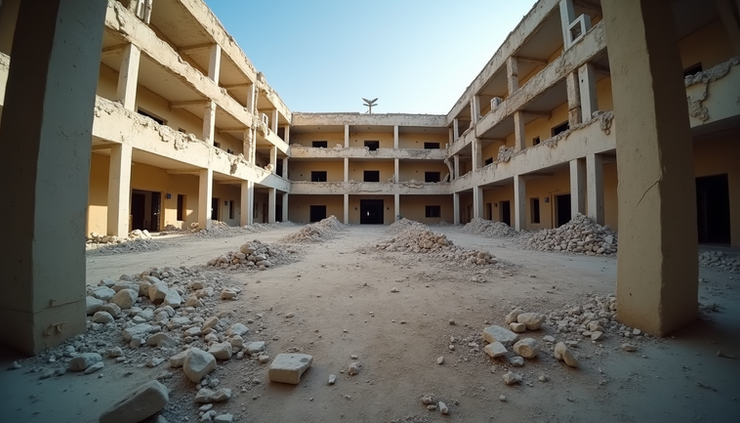
The official figures from Iran’s Health Ministry reveal a grim reality: at least 1,444 civilians have been confirmed killed and over 18,000 injured since the airstrikes began. These numbers only tell part of the story. Nearly 3.2 million people have been displaced within Iran, according to the United Nations refugee agency. Families have lost homes, loved ones, and their sense of security. Schools, hospitals, and cultural heritage sites—nearly 10,000 civilian locations—have been bombed, leaving communities shattered.
Behind every statistic is a human story. An eight-month-old infant and an 88-year-old elder are among the casualties. These are not just numbers; they represent lives cut short and futures stolen. The civilian casualties Iran 2026 highlights the brutal reality that war spares no one, especially those who never chose to fight.
The Geopolitical Crisis in the Middle East and Its Wider Impact
The US Israel Iran war 2026 has escalated tensions in an already volatile region. The geopolitical crisis in the Middle East now threatens to destabilize global peace and security. Iran’s retaliatory strikes have effectively disrupted the Strait of Hormuz, a critical chokepoint through which nearly half of India’s crude oil imports pass. At the peak of the blockade, over 28 Indian ships and tankers were trapped, unable to navigate the waters.
This disruption sent global fuel prices soaring to a 22-month high. The International Energy Agency had to release a record 400 million barrels of crude oil reserves to prevent a market collapse. While Washington hailed this as a strategic success, India faces a complex challenge. It must protect its energy security, safeguard its large Gulf diaspora, and maintain its reputation as a voice of peace amid rising tensions.

India’s Delicate Position in the Strait of Hormuz Oil Impact
India’s dependence on Gulf oil makes the Strait of Hormuz India oil impact a critical concern. The blockade and subsequent disruptions have forced India to rethink its energy strategy. The government has taken several steps:
Diversifying oil import sources to reduce reliance on the Gulf region
Increasing strategic petroleum reserves to cushion against supply shocks
Engaging diplomatically with all parties to promote de-escalation and stability
India’s large expatriate community in the Gulf also faces uncertainty. Many Indian families rely on remittances from workers in the region, and the conflict threatens their livelihoods and safety. Balancing these competing priorities requires careful diplomacy and a steady hand.
America’s Role in Global Destabilization Through War
The US Israel Iran war 2026 is a stark example of America global destabilization war policies. The decision to launch surprise airstrikes and kill a foreign leader has unleashed chaos far beyond the battlefield. The conflict has intensified regional hostilities, disrupted global energy markets, and caused immense human suffering.
Critics argue that such actions undermine long-term global stability. Instead of fostering peace, they fuel resentment and cycles of violence. The war has also strained alliances and complicated international relations, forcing countries like India to navigate a precarious path between competing powers.
The Real Winners and Losers in Geopolitical Conflicts
When superpowers clash, the question arises: who truly wins? The answer is clear. The winners are often political elites and defense contractors who benefit from conflict. The losers are the civilians caught in the middle—families who lose their homes, children who lose their futures, and communities torn apart.
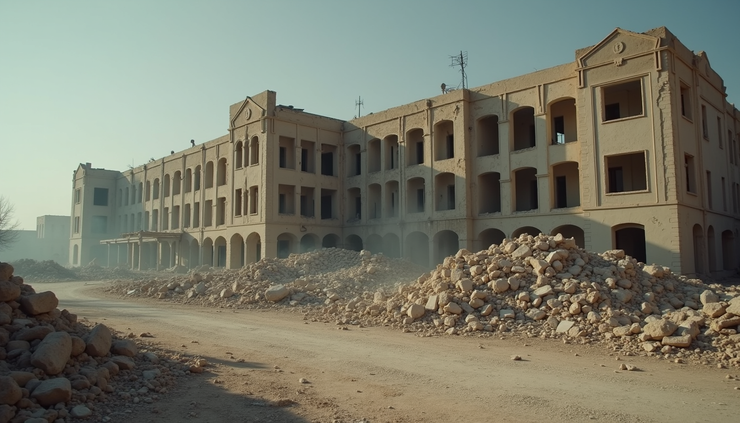
The civilian casualties Iran 2026 reveal the harsh truth that war’s cost is paid in human lives. The destruction of schools and hospitals means that even after the fighting stops, recovery will take years. The displacement of millions creates humanitarian crises that ripple across borders.
What History and the World Are Watching
The global response to the US Israel Iran war 2026 will shape the future of international relations. History is watching how nations respond to this crisis. Will they prioritize diplomacy and humanitarian aid? Or will they deepen divisions and escalate conflict?
For socially conscious youth and global affairs readers, this moment calls for awareness and action. Understanding the real impact of geopolitical conflicts helps build pressure for peaceful solutions. It also highlights the importance of supporting displaced communities and advocating for policies that protect civilians.
Moving Forward: Lessons and Responsibilities
The war in Iran is a reminder that geopolitical conflicts have far-reaching consequences. Protecting civilians must be a priority in any conflict. Nations should work together to:
Promote dialogue and peaceful resolution of disputes
Strengthen international laws protecting civilians in war
Support humanitarian aid for displaced and injured populations
Address the root causes of conflict, including political grievances and economic inequalities
India’s experience with the Strait of Hormuz disruption shows the importance of energy security and diplomatic balance. The global community must recognize that war affects everyone, from oil markets to families in distant countries.


