Transforming Literature into Art: Explore the NID Pavilion at New Delhi World Book Fair 2026

If you think the New Delhi World Book Fair 2026 is just about rows of books and publishers, the NID pavilion at Bharat Mandapam will change your mind. This year, the fair has evolved into a space where literature meets immersive art.
The National Institute of Design (NID) has crafted a "Future of Reading" exhibition that redefines how stories are told and experienced. This is not just a book fair; it is a visual storytelling event that pushes the boundaries of design and narrative.
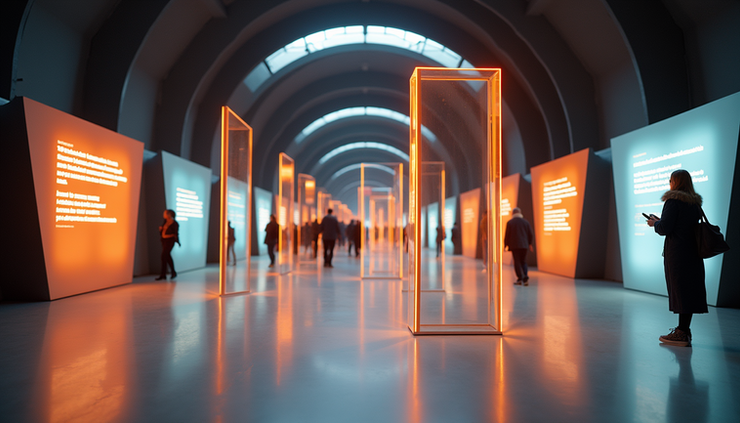
The NID Pavilion and Its Vision
The NID pavilion stands out as a hub of creativity within the New Delhi World Book Fair 2026. Instead of traditional book displays, visitors encounter kinetic typography trends India brought to life through dynamic, moving text installations. These installations respond to visitor movement, creating an interactive experience that blends reading with physical engagement.
The pavilion’s design focuses on the future of reading exhibition design, where digital and physical elements merge. Visitors can explore stories projected through light and motion rather than ink on paper. This approach invites a new generation of readers and creators to rethink what reading means in a digital age.
How Kinetic Typography Shapes Visual Storytelling
Kinetic typography is more than animated text; it is a form of storytelling that uses movement to convey emotion and meaning. At the NID pavilion, this trend is showcased through large-scale installations that react to the presence and movement of visitors. This creates a dialogue between the viewer and the text, making reading a participatory act.
For graphic designers and visual storytellers, these installations offer insight into how typography can evolve beyond static forms. The use of kinetic typography trends India highlights how local artists and designers are contributing to global conversations about design and narrative.
Bharat Mandapam Art Installations as a Canvas for Innovation
Bharat Mandapam, the venue for the New Delhi World Book Fair 2026, has been transformed into a sprawling canvas for art installations that challenge traditional literary presentations. The NID pavilion is a centerpiece of this transformation, featuring floor-to-ceiling typography and digital scrolls that invite visitors to engage with stories in new ways.
These art installations are not only visually stunning but also conceptually rich. They explore themes of technology, culture, and the future of storytelling. The pavilion’s design encourages visitors to pause, reflect, and interact, making it a must-visit for anyone interested in the intersection of art and literature.

Redefining Book Cover Aesthetics and Digital Narratives
One of the most exciting aspects of the NID pavilion is its focus on how Indian creatives are redefining book cover aesthetics. The pavilion showcases innovative designs that blend traditional motifs with digital techniques, creating covers that appeal to a digital-first generation.
This shift reflects broader changes in how stories are packaged and consumed. Visual storytelling events Delhi like this one highlight the importance of design in capturing attention and conveying meaning quickly. For illustrators and typographers, the pavilion offers a glimpse into emerging trends that will shape publishing and digital media in the coming years.
What Visitors Can Expect at the Future of Reading Exhibition
Visitors to the New Delhi World Book Fair 2026 will find the NID pavilion a highlight of the event. The future of reading exhibition design here offers:
Interactive installations that respond to movement and touch
Digital scrolls projecting stories through light and shadow
Large-scale kinetic typography that transforms text into art
Displays of innovative book cover designs by Indian artists
Opportunities to engage with designers and learn about their creative processes
This blend of technology, design, and literature creates an immersive experience that appeals to graphic designers, Gen Z art enthusiasts, and visual storytellers alike.

Why the NID Pavilion Matters for the Future of Storytelling
The NID pavilion at the New Delhi World Book Fair 2026 is more than an exhibition; it is a statement about the future of storytelling. It shows how Indian designers are pushing boundaries and creating new ways to experience literature. By blending kinetic typography trends India with immersive digital art, the pavilion offers a fresh perspective on how stories can be told.
For anyone interested in the future of reading, design, or visual storytelling, this pavilion is a source of inspiration and insight. It encourages visitors to think beyond traditional formats and imagine new possibilities for narrative expression.


