The Rise of Proactive AI Assistants Transforming Everyday Life in 2026

Personal AI assistants have moved far beyond simple command-response tools. In 2026, they have evolved into proactive systems that understand context, intent, and long-term goals. #AIAssistants #FutureOfAI #DigitalLife #TechInnovation #SmartLiving This transformation is reshaping how professionals and everyday users manage their time, health, work, and personal growth. The future of AI assistants is no longer about waiting for instructions but about anticipating needs and making decisions that improve daily life.
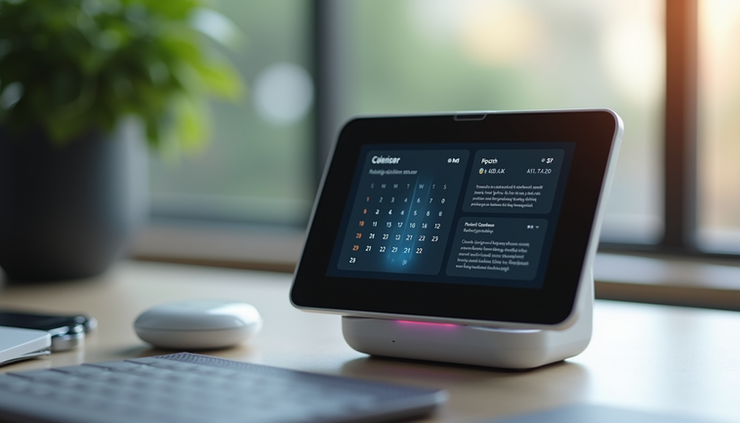
How Context Aware Artificial Intelligence Changes the Game
The key breakthrough behind AI personal assistants 2026 is context aware artificial intelligence. Unlike earlier versions that responded only to direct commands, these assistants process multiple streams of data simultaneously. They analyze voice, text, images, location, and user behavior to build a continuous understanding of the user’s environment and needs.
For example, an AI assistant might notice a user’s calendar is packed with meetings, their health tracker shows elevated stress levels, and traffic reports indicate delays on the usual commute route. Combining these signals, the assistant could suggest rescheduling non-urgent meetings, recommend a short mindfulness exercise, and propose an alternative travel plan to reduce stress and improve productivity.
This level of integration means AI assistants no longer just react—they anticipate and support decisions throughout the day.
Practical Benefits for Professionals and Knowledge Workers
For knowledge workers and professionals, the rise of AI personal assistants 2026 offers several tangible advantages:
Reduced decision fatigue: By handling routine choices like scheduling, reminders, and prioritization, assistants free mental energy for complex tasks.
Improved focus: Context aware artificial intelligence can minimize distractions by filtering notifications based on current work priorities.
Personalized work rhythms: Assistants learn individual productivity patterns and suggest optimal times for deep work, meetings, or breaks.
Crisis management: When unexpected events occur, such as travel disruptions or urgent deadlines, AI assistants quickly adjust plans and communicate changes.
Consider a project manager who uses an AI assistant to balance multiple deadlines and team meetings. The assistant tracks progress, flags potential bottlenecks, and even suggests learning resources tailored to skill gaps identified during project reviews. This proactive support helps the manager stay ahead without constant manual oversight.

How AI Assistants Support Personal Wellbeing and Growth
Beyond work, AI personal assistants 2026 play a growing role in managing health and personal development. By integrating data from wearable devices, nutrition apps, and emotional pattern tracking, these assistants offer tailored wellness routines and learning paths.
For instance, if a user’s sleep data indicates poor rest, the assistant might suggest adjusting evening activities or recommend relaxation techniques. It can also detect mood changes from voice tone or message patterns and offer supportive prompts or connect users with mental health resources.
In education, AI assistants help users set learning goals, track progress, and adapt content based on performance and interests. This personalized approach makes continuous learning more accessible and effective.
Privacy and Ethical Considerations in the New AI Era
The rise of context aware artificial intelligence raises important questions about privacy and data security. To address concerns, many AI personal assistants 2026 operate with privacy-by-design principles. This includes on-device processing that limits data sent to external servers and transparent user controls over what information is collected and how it is used.
Users can customize privacy settings to balance convenience with security, ensuring sensitive data like health or financial habits remain protected. These frameworks help build trust and encourage wider adoption of AI assistants as life managers.
Balancing Dependence and Human Agency
Critics warn that over-reliance on AI assistants might reduce human decision-making skills or create dependency. Yet advocates emphasize that these systems reduce cognitive overload rather than replace human agency. By automating routine tasks and offering informed suggestions, AI assistants allow users to focus on meaningful choices and creative work.
The future of AI assistants depends on how humans choose to coexist with these systems. The goal is a partnership where AI supports better decisions without diminishing autonomy.

Looking Ahead: What to Expect from AI Personal Assistants
As AI personal assistants 2026 continue to evolve, their role as full-spectrum life managers will deepen. Users can expect:
More seamless integration across devices and platforms
Smarter anticipation of needs based on long-term goals
Enhanced emotional intelligence to support mental wellbeing
Greater customization and control over privacy and data sharing


