The Rise of Neo-Mythology How Ancient Stories are Defining Digital Culture in 2026

If you’ve scrolled through your "For You" page lately, you’ve likely encountered a neon-lit Shiva standing tall in a cyberpunk city or a 60-second animated breakdown of the Mahabharata that feels more intense than a season finale. This is the new wave of neo-mythology storytelling 2026, where ancient Indian tales are not just surviving but thriving in digital spaces. This surge is driven by a unique blend of Gen Z cultural pride, AI mythological art trends, and the booming popularity of Indian mythology micro-dramas.
Gone are the slow, traditional retellings. Today’s creators remix these epics into fast-paced, visually stunning "myth-punk" shorts designed for vertical video heritage shorts. This post explores why this trend is happening now, what it means for digital creators, and how it shapes the future of spiritual edutainment.

Why Indian Mythology Micro-Dramas Are Exploding in Popularity
The digital age demands content that grabs attention quickly. Indian mythology micro-dramas fit perfectly into this demand by condensing complex stories into bite-sized, emotionally charged episodes. These micro-dramas use vertical video formats optimized for platforms like YouTube Shorts and Instagram Reels, making them easy to consume on mobile devices.
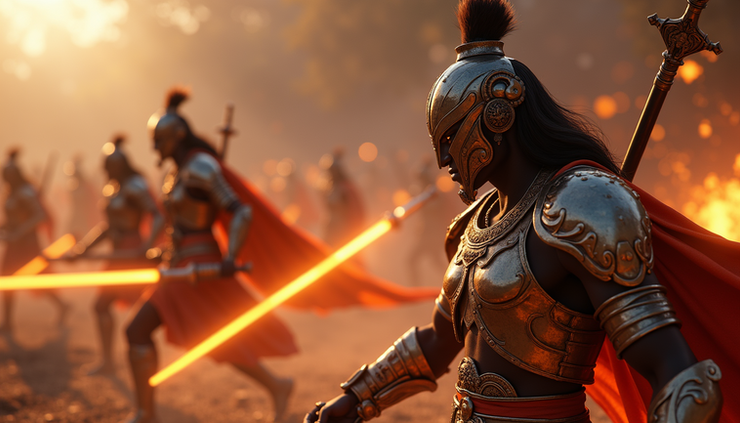
Creators combine traditional narratives with modern aesthetics, often using AI-generated visuals to create stunning effects. For example, the Kurukshetra war is reimagined as a high-energy battle with anime-style animation and lofi beats, capturing both the drama and the spiritual depth of the original epic.
This format appeals especially to Gen Z, who seek content that connects them to their heritage while fitting their fast-paced digital habits. The blend of viral Gen Z spiritual content and engaging storytelling keeps viewers coming back for more.
The Role of AI Mythological Art Trends in Shaping Neo-Mythology
AI tools have revolutionized how mythological stories are visualized. Artists and motion graphic designers use AI to generate intricate VFX, reimagine gods and heroes in futuristic settings, and create immersive environments that were once impossible to produce at scale.
These AI mythological art trends allow creators to experiment with styles that mix ancient symbolism with cyberpunk, vaporwave, or anime influences. This fusion creates a fresh visual language that resonates with digital natives while honoring the original stories.
For instance, AI-generated visuals can transform Sanskrit slokas into dynamic, animated sequences that sync with trending audio clips. This not only preserves the heritage but also makes it accessible and engaging for younger audiences.
How Neo-Mythology Storytelling 2026 Creates New Opportunities for Creators
For 3D artists and motion graphic designers, this trend opens a vast creative playground. The demand for vertical video heritage shorts means there is a growing market for content that blends storytelling with cutting-edge visuals.
Creators can:
Build portfolios that showcase a unique mix of traditional themes and modern techniques
Collaborate with spiritual edutainment channels to produce content that educates and entertains
Tap into viral trends by creating cliffhanger episodes based on epic tales like the Ramayana or Mahabharata
Use AI tools to speed up production while maintaining artistic quality
Brands and content platforms also benefit by engaging audiences with culturally rich content that stands out in crowded feeds. The emotional and spiritual connection viewers feel with these stories drives higher retention and sharing rates.
Digital Preservation Through Viral Gen Z Spiritual Content
This wave of neo-mythology is more than entertainment. It acts as a form of digital preservation. By translating ancient texts into formats that resonate with today’s audiences, creators ensure these stories remain alive and relevant.
For example, Sanskrit verses are often paired with trending music and visual effects, making them memorable and shareable. Epic battles are condensed into short, dramatic clips that spark curiosity and encourage viewers to explore the full stories.
This approach helps preserve cultural heritage in a way that libraries and textbooks cannot. It also invites a global audience to experience Indian mythology through a modern lens.

What This Means for the Future of Spiritual Edutainment
The rise of neo-mythology storytelling 2026 signals a shift in how spiritual and cultural education happens online. Instead of long lectures or dense texts, learning comes through engaging, visually rich stories that fit into everyday digital habits.
This trend encourages creators to innovate while respecting tradition. It also offers audiences a way to connect with their roots in a format that feels natural and exciting.
For anyone interested in 3D art, motion graphics, or spiritual content, this is a moment to explore new creative paths and reach audiences hungry for meaningful stories told in fresh ways.


