The Hidden Cost of War: Ecological Catastrophe in the US-Israel-Iran Conflict

The ongoing conflict involving the US, Israel, and Iran has captured global attention with its missile strikes, military maneuvers, and diplomatic efforts. Yet beneath the headlines lies a devastating environmental crisis that threatens the health of millions and the stability of entire ecosystems. The World Health Organization’s recent toxic black rain WHO warning 2026 highlights a grim reality: the war’s impact extends far beyond immediate casualties and political fallout. Fires at Iran’s oil depots and energy infrastructure have released thick, poisonous smoke that mixes with rain clouds, creating contaminated precipitation that falls on farmland, water sources, and communities across the region.
This blog explores the ecological disaster unfolding in the Middle East, focusing on the Iran war environmental disaster, the Strait of Hormuz oil spill ecology, and the broader implications for global climate goals like SDG 13 war climate. It also examines why India, with its heavy reliance on Persian Gulf oil and its clean energy ambitions, cannot ignore this crisis. Understanding these environmental consequences is crucial for advocates of climate action and sustainability worldwide.

Toxic Black Rain and Its Health Impact
When US and Israeli strikes targeted Iran’s oil infrastructure, they ignited massive fires that sent plumes of toxic smoke into the atmosphere. This smoke contains hazardous chemicals from burning petroleum products and industrial materials. As regional rain clouds absorb these pollutants, they produce what the WHO calls toxic black rain—a dangerous form of precipitation carrying heavy metals, carcinogens, and other toxins.
This contaminated rain falls on populated areas, farmland, and water bodies, posing serious risks to human health and agriculture. Exposure to these pollutants can cause respiratory diseases, skin conditions, and long-term illnesses. The toxic black rain WHO warning 2026 urges immediate monitoring and protective measures for affected populations.
Polluted rainwater contaminates drinking water sources
Crops absorb toxins, reducing food safety and yields
Soil quality deteriorates, threatening long-term agricultural productivity
The health crisis is compounded by the ongoing conflict, which limits access to medical care and clean water in many affected areas. This environmental disaster is a silent but deadly consequence of the Iran war environmental disaster.
Ecological Damage in the Strait of Hormuz and Persian Gulf
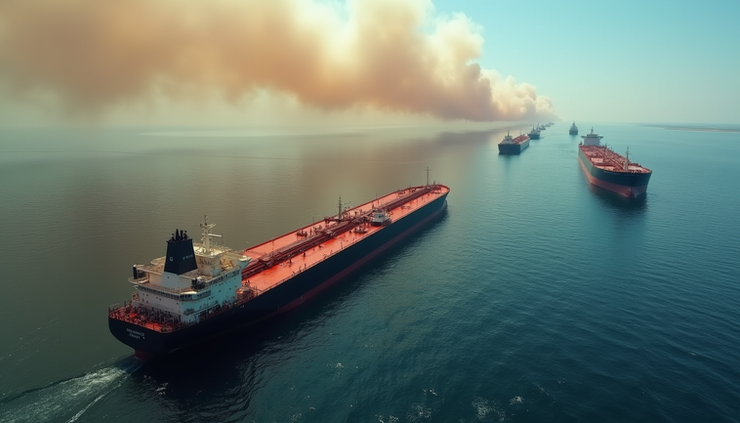
The Strait of Hormuz is a critical maritime corridor through which nearly 40–50% of India’s crude oil imports pass. It is also one of the most ecologically sensitive marine environments on Earth. Recent attacks on oil tankers, cargo ships, and refineries in this region have caused significant oil spills and fires, creating an expanding ecological disaster.
Oil spills coat the water surface, suffocating marine life and damaging coral reefs. The toxic substances from burned oil and fuel leak into the Gulf of Oman, threatening fish populations and the livelihoods of coastal communities. The Strait of Hormuz oil spill ecology crisis disrupts the delicate balance of marine ecosystems that took millennia to develop.
At least 16 vessels attacked, causing widespread oil leaks
Fires at Saudi Arabian refineries burn millions of barrels daily
Marine biodiversity faces severe threats from pollution and habitat loss
India’s dependence on this route for energy imports means the ecological crisis has direct economic and environmental consequences for the country. The damage to marine life also undermines efforts to achieve SDG 14 (Life Below Water), which aims to conserve and sustainably use oceans and marine resources.

The Broader Climate and Sustainability Implications
The environmental fallout from the conflict directly challenges global climate and sustainability goals. The United Nations’ SDG 13 war climate calls for urgent action to combat climate change and its impacts. Yet the burning of vast quantities of oil in the Persian Gulf releases massive greenhouse gases, accelerating global warming.
This crisis also undermines SDG 3 (Good Health and Well-being) by exposing millions to toxic pollutants and contaminated resources. The destruction of ecosystems and pollution of water sources further threaten food security and public health.
The Middle East ecological crisis India faces is a clear example of how geopolitical conflicts can derail climate progress. India’s clean energy transition depends on stable access to resources and a healthy environment. The ongoing war and its environmental consequences highlight the urgent need to integrate environmental security into geopolitical strategies.
War-related pollution increases carbon emissions and climate risks
Damage to ecosystems reduces natural carbon sinks like mangroves and coral reefs
Health impacts from pollution strain public health systems and economic resources
India’s policymakers and climate advocates must recognize that environmental security and geopolitical stability are intertwined. Protecting the planet requires addressing the hidden environmental costs of conflict.
What Can Be Done to Address the Crisis?
The ecological disaster unfolding in the US-Israel-Iran conflict zone demands urgent international attention and action. Some practical steps include:
Enhanced environmental monitoring: Use satellite imagery and on-the-ground sensors to track pollution spread and toxic rain fallout.
Humanitarian aid focused on environmental health: Provide clean water, medical supplies, and protective gear to affected communities.
Diplomatic efforts to protect critical infrastructure: Negotiate ceasefires or safe zones around oil depots and marine corridors to prevent further environmental damage.
Strengthening regional cooperation: Countries around the Persian Gulf, including India, must collaborate on emergency response and ecological restoration.
Integrating environmental security into foreign policy: Recognize that climate goals and peace efforts are linked and require joint strategies.
Climate and sustainability advocates can raise awareness about the Iran war environmental disaster and push for policies that prioritize ecological protection alongside conflict resolution.


