The Cultural and Nutritional Significance of Sesame in Indian Harvest Festivals
- BerryBeat Team

- Jan 14
- 4 min read
As the sun moves northward today, marking the arrival of Uttarayan, the Indian subcontinent comes alive with celebrations rooted in tradition and shared heritage. Across regions, this day is known by different names—Makar Sankranti in the West, Pongal in the South, Lohri in the North, and Magh Bihu in the East. Despite the diversity, one humble ingredient unites these festivals: sesame seeds, or til. This tiny oilseed is more than just a culinary staple; it carries deep cultural, nutritional, and symbolic weight.
Tonight, when families exchange sweets made from sesame and jaggery, they are not only honoring age-old customs but also engaging in a ritual that supports health and social harmony. This post explores why sesame is the star of India’s winter harvest festivals, revealing its scientific benefits, mythological importance, and the fascinating regional variations that make each celebration unique.
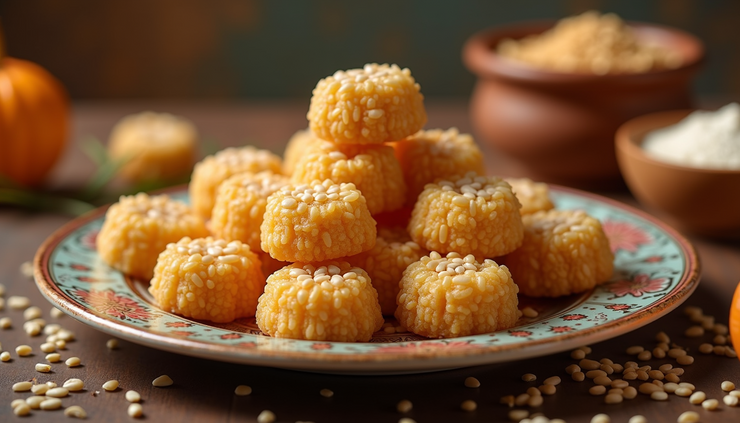
Why Sesame Holds a Special Place in Winter Festivals
Sesame seeds have been cultivated in India for thousands of years, prized not only for their flavor but also for their health benefits. During the cold months, sesame acts as a natural source of warmth and energy. The question of why do we eat til gul during these festivals is answered by both tradition and science.
Sesame Seeds Health Benefits in Winter
Sesame seeds are rich in healthy fats, particularly unsaturated fatty acids, which help generate internal heat. This makes them an ideal food for the chilly solstice period. They also contain:
Calcium and magnesium for bone health
Antioxidants that support immunity
Vitamin B complex to boost energy metabolism
Eating sesame with jaggery, a natural sweetener, enhances these benefits. Jaggery provides iron and helps maintain body heat, making the combination a winter superfood. This explains the Makar Sankranti 2026 significance of sesame-based sweets, which are more than just treats—they are functional foods designed to nourish and protect.
The Mythological and Cultural Roots of Sesame
Beyond nutrition, sesame seeds carry deep symbolic meaning in Indian culture. They are often associated with immortality and blessings from ancestors. In many rituals, sesame is used to honor departed souls, believed to carry prayers to the afterlife.
The phrase "Til gul ghya, god god bola" (Take this sweet, speak sweetly) is more than a festive greeting. It reflects a social contract of goodwill and harmony, encouraging people to resolve conflicts and strengthen bonds. This tradition highlights how food acts as a medium for social cohesion.
Regional Variations: How Sesame Sweets Reflect Local Culture
While sesame is common to all harvest festivals, the way it is prepared and consumed varies widely. These differences reveal much about regional identities and values.
Maharashtra’s Til-Gul: The Symbol of Unity
In Maharashtra, til-gul are hard candies made by fusing sesame seeds with jaggery. Their solid, unbreakable texture symbolizes strong relationships and unity. Exchanging these sweets is a ritual that reinforces community ties and mutual respect.
Karnataka’s Ellu Bella: Celebrating Diversity in Unity
Karnataka offers a contrasting approach with ellu bella, a mix of sesame seeds, copra (dried coconut), peanuts, and jaggery. This trail mix celebrates the individual textures and flavors coming together, symbolizing how diverse elements can coexist harmoniously.
Magh Bihu Food Culture in Assam
In the East, during Magh Bihu, sesame seeds are used in various sweets and snacks that accompany the harvest feast. The emphasis is on sharing and abundance, reflecting the community’s gratitude for a successful harvest.

Pongal 2026 Traditions Explained: The Southern Connection
In Tamil Nadu, Pongal marks the harvest with a special dish also named Pongal, made from newly harvested rice. Sesame seeds appear in accompanying sweets and snacks, symbolizing prosperity and health. The use of sesame in Pongal reflects the broader Pongal 2026 traditions explained theme of thanking nature and ancestors for the bounty.
Sesame’s role here is both practical and spiritual. It adds warmth and nutrition to the diet during winter and connects the community through shared rituals.
The Science Behind Sesame’s Role in Winter Celebrations
Research supports the traditional use of sesame in winter. Its high oil content helps maintain body temperature, while its antioxidants protect against cold-related illnesses. Studies also show that sesame seeds can improve cardiovascular health and reduce inflammation, making them a valuable addition to the winter diet.
This scientific backing explains why sesame remains central to Makar Sankranti 2026 significance and other harvest festivals, where health and celebration go hand in hand.

How Sesame Connects a Billion People
The shared use of sesame seeds across India’s diverse harvest festivals shows how food can unite people beyond language and geography. Whether it is the solid til-gul of Maharashtra or the mixed ellu bella of Karnataka, sesame acts as a cultural thread weaving together millions.
This unity through food is a reminder that traditions carry wisdom—nutritional, social, and spiritual—that continues to nourish communities today.
Final Thoughts on Sesame’s Role in Indian Harvest Festivals
Sesame seeds are much more than an ingredient in sweets. They are a source of warmth, health, and social connection during the coldest time of the year. The Makar Sankranti 2026 significance, Pongal 2026 traditions explained, and Magh Bihu food culture all highlight sesame’s unique place in Indian heritage.
Next time you enjoy a sesame sweet during these festivals, remember you are partaking in a ritual that blends science, culture, and community. This simple seed carries the power to bind a billion people in celebration and well-being.


