The Contradiction of Empowerment: Women in Bollywood's Item Numbers

In March 2026, the release of the song Sarke Chunar Teri Sarke sparked a fierce debate across India’s cultural landscape. The track, featuring Nora Fatehi and Sanjay Dutt, was part of the promotional campaign for the pan-India film KD: The Devil. Within days, it was removed from YouTube following a formal complaint to the Central Board of Film Certification (CBFC), a case filed with the Delhi Police Cyber Cell, summons from the National Commission for Women, and a public condemnation by singer Armaan Malik, who called it a "new low" for commercial songwriting. The controversy revealed a deeper issue: Nora Fatehi publicly stated she had not consented to the use of her image in the Hindi version of the song, had not performed to it, and did not endorse it. This was not just an individual dispute but a reflection of a systemic problem in Bollywood’s treatment of women in item numbers.

The Role of Item Numbers in Bollywood
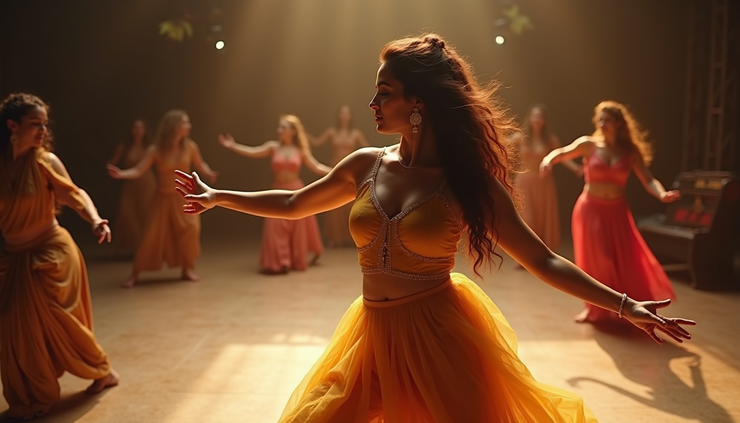
Item numbers are a staple of Bollywood cinema. These standalone dance sequences usually feature a woman dressed in revealing clothing, performing choreography designed to appeal to the male gaze. They often have little to no connection to the film’s narrative but serve as a commercial tool to attract audiences. Item songs boost a film’s visibility, generate streaming spikes, and create additional revenue through music videos. In 2025, the Indian cinema industry grossed Rs 13,395 crore at the box office, with item numbers playing a significant role in driving this success.
Despite their commercial importance, the women who perform in these songs face a paradox. They are celebrated for their performances but stigmatized when they seek roles beyond item numbers. The camera fragments their bodies for a few minutes on screen but does not follow them into casting rooms or production meetings. This contradiction highlights the ongoing objectification and limited agency of women in Bollywood item numbers.
The Sarke Chunar Controversy and Consent in Hindi Cinema
The Sarke Chunar controversy 2026 brought the issue of consent in Bollywood item numbers into sharp focus. Nora Fatehi’s statement that she had not given permission for her image to be used in the Hindi version of the song exposed a troubling practice. It raised questions about how performers’ rights are respected in the industry, especially when their images and performances are repurposed without approval.
This incident is not isolated. It reflects a broader pattern where women’s participation in item numbers is often controlled by producers and directors, with little regard for the performers’ consent or creative input. The controversy also sparked discussions about the male gaze in Hindi cinema and how it shapes the portrayal of women in these songs.
Male Gaze and Objectification in Bollywood Item Numbers
Bollywood item numbers are designed primarily for the male gaze, a concept where women are presented as objects of male desire rather than as fully realized characters. The choreography, costumes, and camera angles emphasize physicality and sexuality, often reducing women to fragmented body parts rather than whole individuals.
This objectification has real consequences. It reinforces stereotypes about women’s roles in cinema and society, limiting their opportunities and shaping public perceptions. The Sarke Chunar controversy 2026 highlighted how this objectification extends beyond the screen, affecting performers’ autonomy and professional dignity.
Shabana Azmi’s Perspective on Bollywood Women and Item Numbers
Veteran actress Shabana Azmi, a five-time National Film Award winner and a respected voice in Indian cinema, addressed these issues with clarity in 2026. She argued that the item number format perpetuates a cycle where women are celebrated for their physical appeal but marginalized when they seek substantive roles. Azmi emphasized the need to recognize the labor and talent of women in Bollywood beyond their appearance in item songs.
Her critique calls for a shift in how the industry values women performers. It challenges filmmakers to move away from exploitative practices and create spaces where women can exercise agency and pursue diverse roles without stigma.

The Industry’s Responsibility and the Way Forward
The Sarke Chunar controversy 2026 serves as a wake-up call for Bollywood. The industry must address the systemic issues surrounding item numbers, including the lack of consent, the perpetuation of the male gaze, and the objectification of women. Practical steps include:
Ensuring clear consent from performers for all uses of their image and performance, especially in promotional materials and different language versions.
Reevaluating the role of item numbers in films to reduce reliance on objectification as a marketing tool.
Promoting diverse roles for women that highlight their talent beyond physical appeal.
Creating safe and respectful working environments where women can voice concerns without fear of stigma or retaliation.
These changes require commitment from producers, directors, actors, and audiences alike. Recognizing the value of women’s labor and creativity in Bollywood is essential for a more equitable industry.
Reflecting on Empowerment and Objectification
The contradiction of empowerment in Bollywood item numbers lies in the tension between visibility and agency. While these songs offer women a platform and fame, they often do so at the cost of autonomy and respect. The Sarke Chunar controversy 2026 exposed how this contradiction plays out in real terms, with performers like Nora Fatehi asserting their right to consent and control over their image.
Shabana Azmi’s insights remind us that true empowerment requires more than screen time or applause. It demands structural change in how women are treated and represented in Hindi cinema. Moving forward, the industry must balance commercial success with ethical responsibility, ensuring that women are not just objects of the male gaze but creators and leaders in their own right.
This conversation is vital for young urban Indian women and all who care about feminist discourse and media criticism. It challenges us to rethink what empowerment means in popular culture and to support a Bollywood that respects and uplifts its women performers.


