The Birth of Indian Cinema: The Unforgettable Legacy of Alam Ara

On the night of March 14, 1931, the Majestic Cinema in Bombay witnessed a moment that changed Indian cinema forever. For the first time in India, a film spoke. The audience heard voices, songs, and emotions come alive on screen. This was Alam Ara, the first talkie in Indian cinema history. The excitement was so intense that police had to control the crowds. Yet today, not a single frame of this groundbreaking film survives, lost to time and tragedy.
This post explores the extraordinary story behind Alam Ara 1931 India first talkie, the visionary who made it, the remarkable cast, and the ongoing challenge of film preservation in India. It also highlights the cultural impact of this lost film and why its legacy remains vital to Indian cinema lovers and historians.
Ardeshir Irani and the Making of Alam Ara
Ardeshir Irani was a man with a dream and little experience in sound films. Inspired by the American part-talkie Show Boat (1929), he believed India needed to hear its cinema. With a modest budget of ₹40,000 and a borrowed Tanar single-system camera, Irani set out to create the first Indian talkie.
The technical challenges were immense. His studio was located beside a busy railway line, making sound recording difficult. To solve this, the crew shot the entire film between 1 AM and 4 AM, when train traffic was minimal. This meant long nights and exhausting work for everyone involved.
Irani had no sophisticated sound studio or experienced technicians. He learned the basics from Wilford Deming, an American technician, and improvised the rest. The secrecy surrounding the project was intense, as rival studios were racing to release their own talkies. The team worked in silence, protecting their methods and pioneering sound cinema in India.
The Cast That Made History
The cast of Alam Ara was as remarkable as the film itself. Master Vithal played the hero, and a young Prithviraj Kapoor appeared in one of his early roles. But the most iconic figure was Zubeida, the actress who played the title role.
Zubeida was no ordinary actress. She was a Muslim princess from Sachin State in Gujarat, daughter of a nawab. At a time when cinema was considered inappropriate for women of respectable families, especially royalty, Zubeida broke barriers by entering films at age 12. By the time Alam Ara released, she was 19, and her voice became the voice of a revolution in Indian cinema.
Her performance and singing in Alam Ara 1931 India first talkie captivated audiences and set the stage for the musical tradition that defines Bollywood today.

The Impact of Alam Ara on Indian Cinema
Alam Ara was more than just a film; it was a cultural milestone. It introduced sound and music to Indian audiences, featuring seven songs, the first-ever in Hindi cinema. The story of love and drama resonated deeply, and the film's success proved that talkies were the future.
The film's release triggered a wave of talkie productions across India, transforming the industry. It also helped establish Bombay (now Mumbai) as the heart of Indian cinema. The excitement around Alam Ara 1931 India first talkie showed that Indian audiences were ready for a new kind of storytelling.
Unfortunately, despite its immense historical value, Alam Ara is now a lost film. No known copies exist, making it a symbol of the India lost films preservation crisis.
The Tragedy of Lost Films and Preservation Challenges
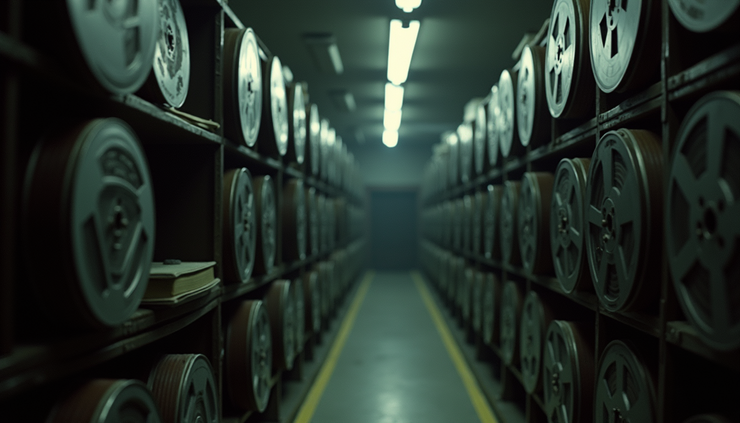
The loss of Alam Ara is part of a larger problem in Indian cinema history. Many early films have disappeared due to neglect, poor storage, and disasters. One of the most devastating events was the National Film Archive India fire in 2003, which destroyed countless priceless reels.
Film preservation in India faces many challenges:
Climate: High humidity and heat damage film stock.
Lack of resources: Preservation requires funding and expertise.
Neglect: Many old films are stored improperly or forgotten.
Technological gaps: Digitization and restoration need modern technology.
The loss of Alam Ara and other early films means that future generations miss out on important cultural heritage. Efforts by film historians, archivists, and cultural advocates aim to raise awareness and improve preservation.
Why Alam Ara’s Legacy Still Matters
Alam Ara 1931 India first talkie represents the birth of sound cinema in India. Its story is a reminder of the creativity, courage, and determination that shaped Indian cinema. The film’s loss highlights the urgent need to protect and preserve cinematic history.
For Bollywood buffs, cultural heritage advocates, and young Indians curious about their roots, Alam Ara is a symbol of innovation and change. It shows how cinema can reflect society and inspire new art forms.
The story of Zubeida actress Indian cinema history also challenges social norms and celebrates diversity in Indian storytelling. Her role in Alam Ara paved the way for many women in Indian films.
Preserving films is preserving history. The India lost films preservation crisis calls for stronger support from government, industry, and communities to save what remains and recover what can be found.
Final Thoughts
Alam Ara’s story is a powerful chapter in Indian cinema history. It marks the moment when Indian films found their voice and music, forever changing the way stories were told. Though the film itself is lost, its impact lives on in every Bollywood song and dialogue.
The legacy of Alam Ara encourages us to value and protect our cultural heritage. Supporting film preservation efforts ensures that future generations can experience the magic of Indian cinema’s origins.
For those who love Indian cinema history, Alam Ara remains a beacon of creativity and resilience. Its story invites us to explore, celebrate, and safeguard the rich legacy of Indian films.


