Revolutionizing Urban Design: The Rise of Climate-Positive Architecture

At this year’s global design showcases, a clear shift emerged in the world of architecture and urban planning. The focus moved beyond simply reducing environmental harm to actively reversing it.
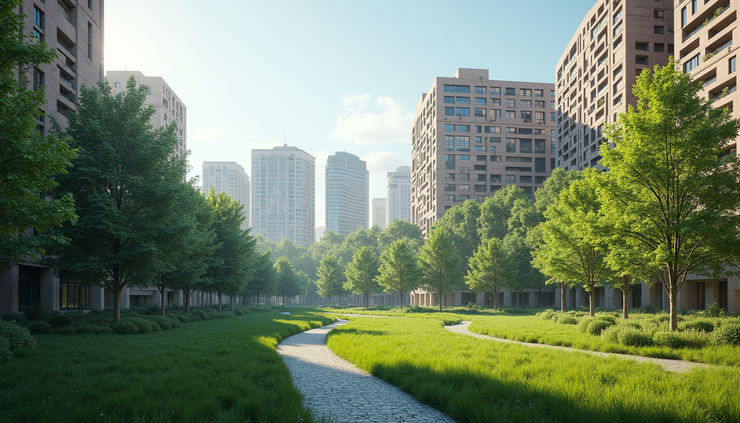
Climate-positive architecture is no longer a futuristic concept but a practical blueprint shaping the cities of tomorrow. This new wave of sustainable design 2026 centers on regenerative buildings that absorb more carbon than they emit, creating urban spaces that heal the planet while serving their communities.
The Shift from Sustainability to Regeneration
Traditional sustainable design aimed to minimize damage—lowering energy use, cutting emissions, and reducing waste. Now, architects and developers are asking a different question: how can buildings actively improve the environment? This mindset shift is the foundation of regenerative buildings, which restore ecosystems, improve air quality, and support biodiversity.
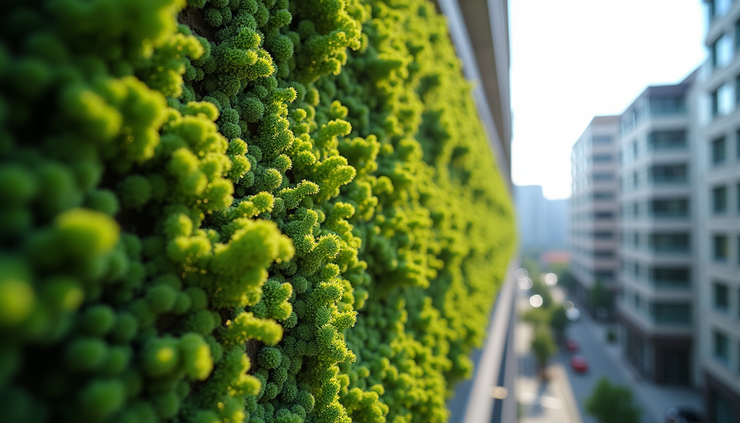
Examples of this approach include facades infused with algae that absorb CO₂, inspired by natural processes. These living walls not only capture carbon but also provide insulation and reduce urban heat. Another innovation is self-cooling biomaterial walls modeled after desert plants, which regulate temperature without energy-intensive systems.
Material Science Driving Carbon Negative Construction
Material innovation plays a crucial role in climate-positive architecture. Carbon negative construction uses materials that store more carbon than they release during production and use. Concrete, a major source of emissions, is being reinvented with carbon-sequestering formulas that absorb CO₂ as they cure. This transforms one of the most polluting building materials into a carbon sink.
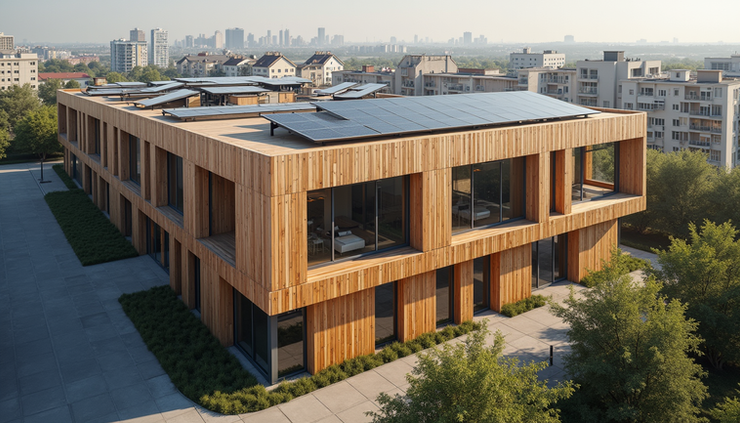
Modular timber systems are gaining popularity for their low carbon footprint and rapid assembly. Wood stores carbon absorbed during tree growth, and prefabrication reduces waste and site emissions. Solar-integrated glass panels combine energy generation with natural light, reducing reliance on fossil fuels.
These materials are reshaping urban skylines with buildings that contribute to climate solutions rather than problems.
Economic and Social Benefits of Green Urban Innovation
Investors and developers are increasingly recognizing that climate-positive architecture offers strong returns alongside environmental benefits. Buildings that generate energy, improve air quality, and reduce operating costs attract tenants and buyers who value sustainability. This creates a market advantage for regenerative buildings.
Cities benefit from reduced heat island effects, cleaner air, and improved public health. Green urban innovation also supports social equity by creating healthier, more resilient neighborhoods. Public spaces integrated with nature encourage community interaction and wellbeing.
Leading examples include mixed-use developments that combine residential, commercial, and green spaces designed to capture carbon and support local ecosystems. These projects demonstrate that climate-positive architecture can be both ethical and profitable.
Looking Ahead: The Future of Urban Design
The conversation around sustainable design 2026 is clear: the future of urban development is regenerative. Architects and planners are no longer content with reducing harm—they aim to create buildings and cities that restore the environment.
This transformation requires collaboration across disciplines, from material scientists to policymakers. It also demands new standards and incentives that reward carbon negative construction and green urban innovation.
As these ideas become mainstream, the cities of tomorrow will not only be smart but restorative. They will serve as living examples of how human habitats can coexist with and support the natural world.