Reimagining Tradition: How Gen Z is Transforming Lohri and Bhogi into Sustainable Celebrations

As dusk falls over India this year, the familiar glow of fires will light up the horizon from Punjab to Tamil Nadu. In the North, the rhythmic beat of the dhol will mark Lohri 2026 shubh muhurat, while in the South, families will gather to celebrate Bhogi festival significance by discarding the old and welcoming the new.
Though separated by geography, these festivals share a spiritual core: the ritual of rebirth and renewal. Yet, the way these traditions are observed is changing fast. A new generation is reshaping these age-old celebrations to honor heritage while protecting the environment.
The Shared Spirit of Lohri and Bhogi
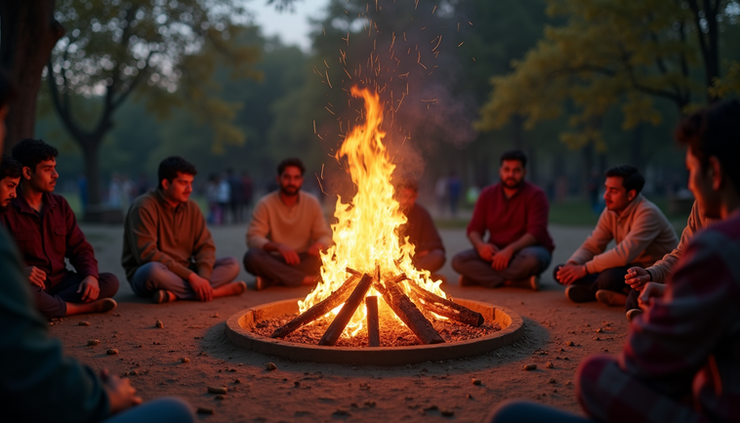
Lohri and Bhogi both mark important moments in the agricultural calendar. Lohri celebrates the passing of the winter solstice and the promise of longer days, traditionally with large bonfires where sesame seeds and popcorn are tossed in as offerings. Bhogi, part of the Pongal festival in South India, involves burning old agricultural waste to clear the fields and welcome the harvest season.
These rituals symbolize letting go of the past and embracing new beginnings. The flames represent purification and transformation, a powerful metaphor for communities tied to the land and seasons. Yet, the physical act of burning has environmental consequences, especially in urban areas where air pollution is a growing concern.
How Gen Z is Changing the Narrative
The traditional bonfire is giving way to new forms of celebration. In cities across India, "Smokeless Lohri" events are gaining popularity. These gatherings focus on storytelling, music, and cultural performances rather than large fires. The folklore of Dulla Bhatti, a legendary Punjabi rebel who fought against Mughal oppression, takes center stage. His stories inspire themes of resistance, justice, and community pride, connecting young people to their roots without smoke or pollution.
Sustainable Lohri ideas include:
Digital storytelling circles where elders share tales via video calls or community apps.
Symbolic bonfires of light using LED candles or lamps instead of wood fires.
Seed exchanges and tree planting to honor the harvest and promote green growth.
Eco-friendly decorations made from natural materials like dried flowers and leaves.
These approaches preserve the warmth and spirit of Lohri while reducing harmful emissions. They also invite participation from those who may not have space or resources for traditional bonfires, making the festival more inclusive.
Bhogi Festival Significance in a Modern Context
In rural areas, Bhogi still involves burning agricultural waste, but awareness about air quality is prompting changes. Many communities now compost crop residue or use it as fodder instead of burning. Urban celebrations of Bhogi festival significance have also shifted toward symbolic acts of renewal. People clean their homes, decorate with fresh flowers, and share meals that highlight seasonal produce.
Eco-friendly festivals India-wide are embracing this shift. For example, in Chennai, Bhogi celebrations include community clean-up drives and workshops on sustainable farming practices. These activities honor the festival’s roots in agriculture while addressing contemporary environmental challenges.

The Role of Technology and Community
Technology plays a key role in this transformation. Social media platforms and community apps help spread sustainable Lohri ideas and organize events that minimize pollution. Virtual gatherings allow people to connect across distances, sharing songs, stories, and rituals without the need for physical fires.
Community centers and schools are also adopting eco-friendly festival programs. Workshops teach children about the folklore of Dulla Bhatti and the importance of protecting the environment. These programs encourage young people to see tradition as a living, evolving practice rather than a fixed set of rituals.
Keeping the Flame Alive Without Choking the Sky
The shift toward sustainability does not mean losing the essence of these festivals. Instead, it means reinterpreting rituals to fit modern realities. The warmth of a fire can be replaced by the warmth of shared stories and collective action. The smoke that once filled the sky can give way to cleaner air and greener landscapes.
This evolution reflects a broader cultural trend where heritage and environmental responsibility go hand in hand. Gen Z is leading this change by valuing both tradition and the planet. Their approach shows that festivals like Lohri and Bhogi can remain vibrant and meaningful without harming the environment.

The future of these celebrations lies in balance: honoring the past while embracing new ways to protect the earth. As Lohri 2026 shubh muhurat approaches, communities across India are choosing to leave behind smoke and pollution, carrying forward the true spirit of renewal with care and creativity.


