Neon Deities & Pixel Prayers: Why Gen Z is Coding the Cosmic

Stop scrolling for a second. Have you noticed the shift? Somewhere between the chaoticism of 2025’s "core" trends and the sterile minimalism of the early 20s, a new, vibrant aesthetic has taken over the feed. It’s geometric, it’s glowing, and it’s deeply ancient. Welcome to the era of Indofuturism.
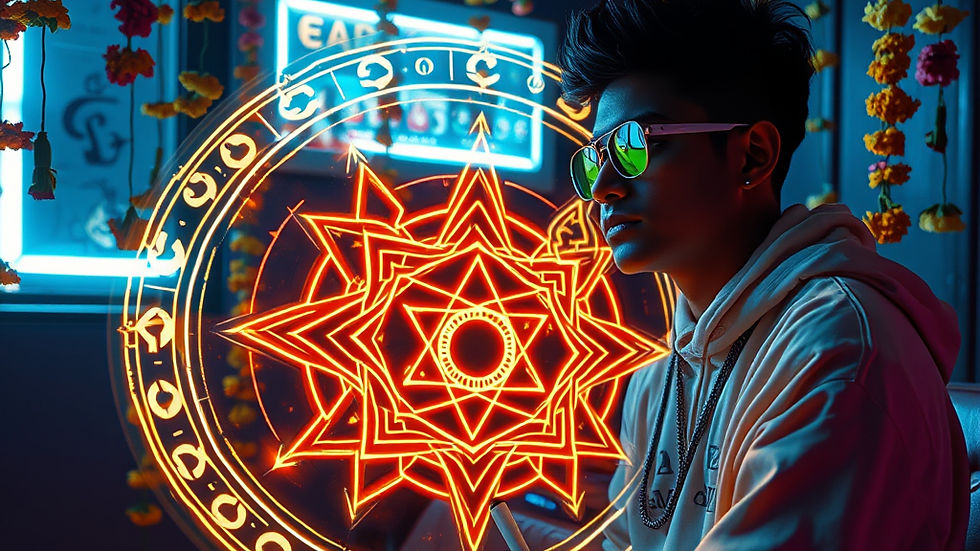
On January 2nd, 2026, we aren't just looking at pretty pictures. We are witnessing a digital renaissance where Gen Z creators are bypassing traditional gatekeepers to reclaim and remix their heritage. The trending surge of mandalas, yantras, and mythological motifs in digital art isn’t a coincidence—it’s a search for roots in a cloud-based world.
The Geometry of the Universe in Code
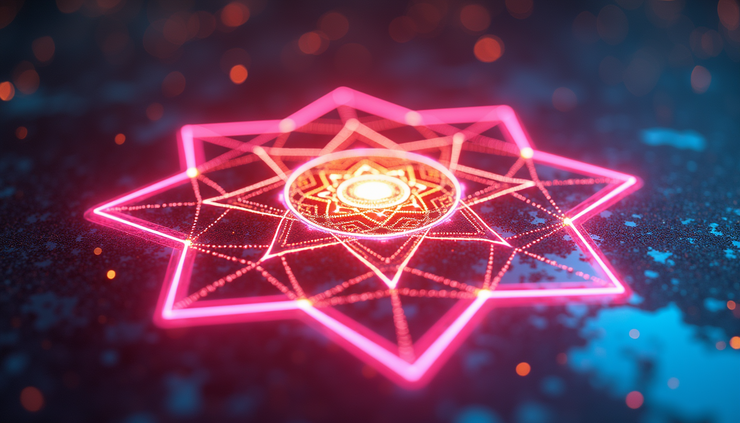
Why yantras? Why now? To the digital native, the precise, mathematical geometry of a Sri Yantra isn't just spiritual; it looks like code. It’s the blueprint of the universe rendered in perfect symmetry. When a 19-year-old artist in Mumbai or a diaspora creator in Toronto renders a mandala in neon Procreate strokes, they aren't just drawing; they are acknowledging that ancient India understood the "metaverse" long before Zuckerberg did.
These symbols were the original immersive experiences—tools designed to hack consciousness. The Modern mandala art meaning has evolved beyond decoration. It now represents a bridge between ancient wisdom and digital expression. The Yantra aesthetic wallpaper that floods feeds today is more than background art; it’s a statement of identity and connection.
Culture as Currency in the Digital Age
This movement is ethical and growth-focused. We’re seeing a departure from appropriation to appreciation and ownership. Through NFTs and decentralized art collectives, young Indian artists are tokenizing their culture on their own terms. They are blending the ethos of "Dharma" with the aesthetic of "Cyberpunk." It’s Shiva meets Sci-Fi, but with the reverence intact.
The rise of Ethical cultural NFT trends means creators control their narratives and profits. For example, artists like Aanya Singh and Rohan Mehta have launched NFT collections that combine Indian mythology digital illustration with futuristic elements. Their work sells not just as art but as cultural artifacts that carry meaning and respect.
The Future of Indian art online is no longer confined to galleries or museums. It lives on blockchains, in virtual galleries, and AR filters. This shift empowers Gen Z digital art India creators to reach global audiences without losing authenticity.
Neo-Vedic Design Trends Shaping Tomorrow
As we move deeper into 2026, expect this trend to evolve from 2D screens to AR filters and VR meditation spaces. The visual language of the Vedas is being translated into binary, ensuring that these stories don't just survive the digital age—they define it.
The Neo-Vedic design trends combine ancient symbols with modern technology. For instance, VR meditation apps now use Ancient symbols in graphic design like the lotus or Om symbol, rendered in glowing, glitch-art styles. These designs create immersive experiences that connect users to spiritual traditions while engaging with futuristic tech.
This fusion is also visible in fashion and interior design, where Indofuturism art trends 2026 inspire everything from holographic textiles to digital wallpaper that reacts to mood and movement.

Cyber-Spirituality Art as a New Language
The surge of Cyber-spirituality art reflects a generation that sees technology and spirituality as intertwined rather than opposed. Gen Z artists use digital tools to explore themes of consciousness, identity, and mythology.
This art form often features glitch effects, neon colors, and layered symbolism. It’s a visual language that speaks to the complexity of living between tradition and innovation. The Modern mandala art meaning here is layered: it’s a meditation, a code, and a cultural statement all at once.
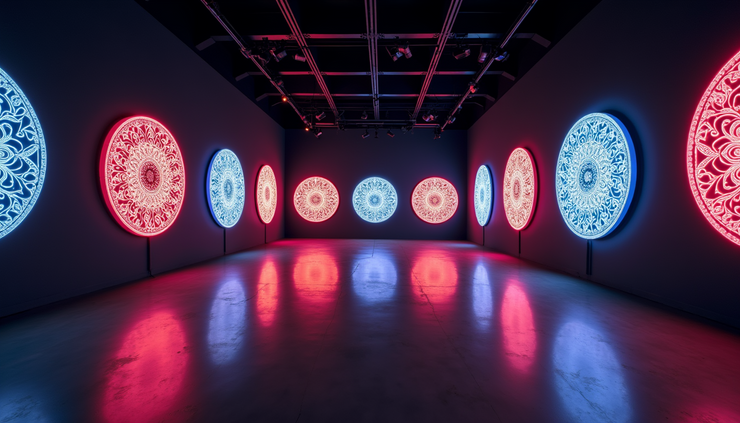
Creators are also experimenting with interactive art, where viewers can manipulate digital yantras or mythological figures, making the experience personal and dynamic.
What This Means for Gen Z Digital Art India
For Gen Z digital art India creators, this movement is more than a trend. It’s a reclaiming of heritage through a modern lens. It’s about telling stories that have been passed down for centuries, now told with pixels and code.
The rise of Indofuturism art trends 2026 shows that young artists are not just consumers of culture but active participants shaping its future. They are using Indian mythology digital illustration to create new narratives that resonate globally.
This shift also encourages ethical practices. By embracing Ethical cultural NFT trends, artists ensure their work respects origins and benefits creators directly.
Final Thoughts
The next time you double-tap a glowing, glitch-art Ganesha, remember you aren't just liking a post. You are witnessing a digital renaissance where ancient symbols meet modern technology. This is a movement where Cyber-spirituality art and Neo-Vedic design trends shape the future of Indian art online.
Gen Z creators are coding the cosmic, blending heritage with innovation to build a new visual language. This is not just art; it’s a digital ritual, a cultural reclaiming, and a glimpse into the future of creativity.
If you want to explore this world, look beyond the surface. Dive into the geometry, the stories, and the ethics behind the pixels. The cosmic code is waiting to be decoded.


