India's 20 Most Impactful Startups of 2026 Challenging Conventional Entrepreneurship

#StartupIndia #NationalStartupAwards2026 #DeepTechIndia #DPIIT #IndianStartups India’s startup ecosystem has long been associated with food delivery apps and quick commerce platforms. Yet, the National Startup Awards 2026 reveal a different story. This year’s winners showcase a new breed of Indian entrepreneurship focused on solving deep-rooted, practical problems that matter for the country’s future. These startups are not chasing trends but building solutions that address foundational challenges in sectors like clean energy, aerospace, waste management, and financial inclusion.
The DPIIT startup winners India list for 2026 highlights ventures that are pushing boundaries in technology and impact. From electric vehicle infrastructure to circular economy innovations, these startups represent the next wave of Indian deep tech startups shaping the nation’s progress.
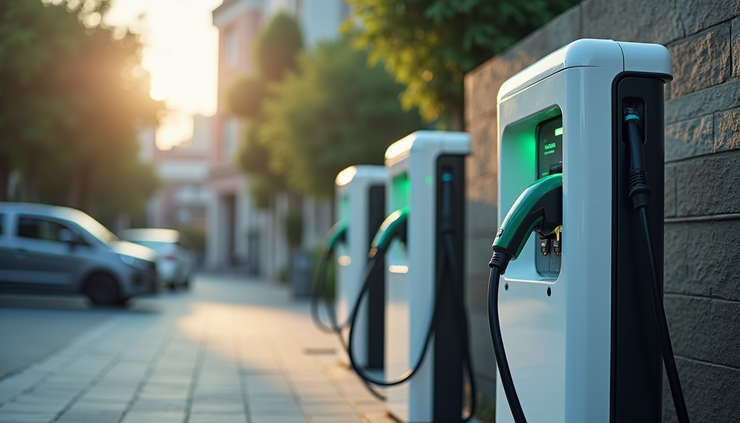
Entuple E-Mobility is building battery systems and EV infrastructure to support India’s clean transportation goals.
New Directions in Indian Entrepreneurship
The Startup India 2026 winners reflect a shift from consumer-focused apps to startups tackling complex, technical challenges. This change signals maturity in the ecosystem, where founders are willing to invest time and resources in sectors that require deep expertise and long-term commitment.
Key Areas of Innovation
Electric Vehicle Mobility: Startups like Entuple E-Mobility are developing battery systems and charging infrastructure to accelerate the adoption of electric vehicles in India. This aligns with the country’s push for cleaner transportation and reduced carbon emissions.
Aerospace Engineering: Fuselage Innovations is designing aircraft structural components, aiming to integrate with domestic aerospace supply chains. This is a rare focus area for Indian startups and shows the potential for India to become a player in global aerospace manufacturing.
Circular Economy: Blue Phoenix is converting industrial and municipal waste into reusable materials, addressing India’s growing waste management problem and promoting sustainability.
Financial Inclusion: Creditbucket Technologies uses artificial intelligence to improve credit access for individuals and small businesses often ignored by traditional lenders. This approach could transform how millions access loans and financial services.
These examples show the diversity and depth of the DPIIT startup winners India and their commitment to solving real problems.
Spotlight on EV Mobility India Innovation
Electric vehicles (EVs) are a critical part of India’s strategy to reduce pollution and dependence on fossil fuels. However, the lack of reliable battery technology and charging infrastructure has slowed adoption. This is where startups like Entuple E-Mobility come in.
Entuple designs advanced battery systems tailored for Indian conditions and builds scalable EV infrastructure. Their work supports not only passenger vehicles but also commercial fleets and public transport. By focusing on durability, cost-effectiveness, and ease of deployment, they are helping overcome key barriers to EV adoption.
This kind of innovation is vital for India to meet its climate goals and create new economic opportunities in manufacturing and services related to EVs.

Fuselage Innovations is contributing to India’s aerospace supply chain by designing aircraft structural components.
Deep Tech Startups Driving India’s Future
The National Startup Awards 2026 highlight several Indian deep tech startups that are not just building products but creating new capabilities for the country.
Fuselage Innovations is a prime example. Their work in aircraft structural engineering could help India reduce reliance on imports and boost domestic aerospace manufacturing. This requires expertise in materials science, aerodynamics, and precision engineering.
Blue Phoenix tackles the circular economy by transforming waste into valuable resources. Their technology converts industrial and municipal waste streams into reusable materials, reducing landfill use and pollution.
Creditbucket Technologies uses AI to analyze alternative data and provide credit scoring for underserved populations. This approach can unlock financing for millions of small businesses and individuals, fostering entrepreneurship and economic growth.
These startups demonstrate how Indian deep tech startups are addressing challenges that have long been neglected but are crucial for sustainable development.
What This Means for Aspiring Entrepreneurs and Investors
The success of these startups sends a clear message to aspiring entrepreneurs: India’s future lies in solving tough, technical problems that impact millions. There is growing support from government initiatives like Startup India 2026 winners and the Department for Promotion of Industry and Internal Trade (DPIIT), which encourages innovation beyond consumer apps.
For investors, these startups offer opportunities to back ventures with strong social impact and long-term growth potential. The focus on sectors like clean energy, aerospace, waste management, and financial inclusion aligns with global trends and India’s development priorities.
Students in engineering and business can also draw inspiration from these winners. They show that combining technical skills with a problem-solving mindset can lead to meaningful innovation and career opportunities.

Blue Phoenix is addressing waste management by converting industrial waste into reusable resources.
Looking Ahead
The National Startup Awards 2026 winners represent a new chapter in Indian entrepreneurship. They challenge the stereotype of startups focused only on quick consumer wins and instead build solutions that require patience, expertise, and a deep understanding of India’s needs.
This shift will likely inspire more founders to pursue deep tech and impact-driven ventures. It also signals that India’s startup ecosystem is maturing, with government support and investor interest aligning to nurture startups that can solve foundational problems.
Aspiring entrepreneurs should take note of these trends and consider how their ideas can contribute to sectors that matter for India’s future. Investors and ecosystem builders can play a role by supporting startups that focus on real-world challenges and long-term value creation.
The path ahead is demanding but full of potential for those willing to build beyond the obvious.


