From AI Tools to AI Coworkers: The New Era of Delegation in Enterprises

Artificial intelligence has reached a turning point. In 2026, autonomous AI systems moved beyond experimental phases and became active participants in enterprise workflows.
These AI agents no longer just assist with simple tasks; they independently handle complex, multi-step processes, collaborate across different applications, and improve through real-time feedback. This shift marks a new chapter in enterprise automation where AI teammates are trusted collaborators, not just tools.

The Shift from Automation to Delegation
Traditional automation focused on replacing repetitive tasks with programmed scripts or simple bots. Enterprises used automation to speed up processes and reduce errors. But autonomous AI systems in 2026 go further. They take on decision-making roles that require reasoning, judgment, and adaptation.
This change is not just about automating tasks but about delegating responsibility to AI teammates. Enterprises now trust AI agents to:
Manage customer support tickets end-to-end, including escalation and resolution.
Make logistics decisions based on real-time data and changing conditions.
Draft and review legal documents with contextual understanding.
Delegation means enterprises rely on AI agents as coworkers who share the workload and contribute to outcomes. This requires new governance models to ensure transparency, accountability, and compliance.
How Enterprises Use Autonomous AI Systems Today
Several industries have embraced this new era of AI teammates, each adapting autonomous AI systems to their unique challenges.
Finance
Financial institutions deploy AI agents to analyze market trends, detect fraud, and automate compliance reporting. For example, some banks use AI teammates to review loan applications, cross-checking data and flagging risks without human intervention. This reduces processing times from days to hours and lowers operational costs.
Healthcare
Hospitals and clinics use autonomous AI systems to manage patient records, schedule appointments, and assist in diagnostic processes. AI teammates help prioritize cases based on urgency and resource availability, improving patient outcomes and staff efficiency.
Supply Chain Management
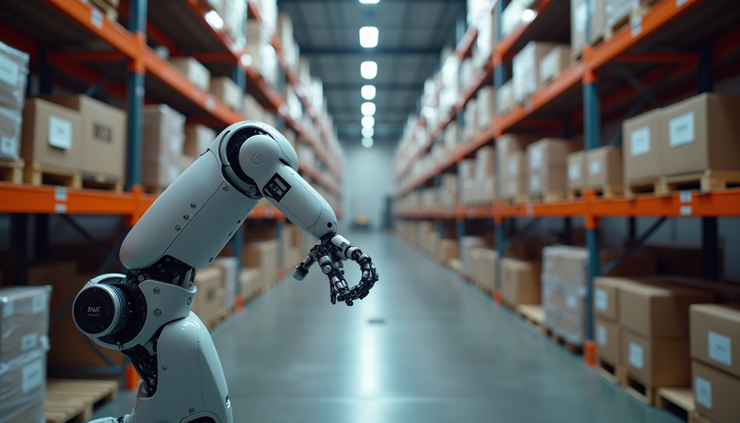
In supply chains, AI agents optimize inventory levels, predict demand fluctuations, and coordinate shipments. Autonomous AI systems can reroute deliveries dynamically when disruptions occur, minimizing delays and costs.
These examples show how enterprise automation has evolved into a partnership between humans and AI teammates, where AI handles complex, adaptive tasks.
Governance and Collaboration in the Age of AI Coworkers
With AI teammates taking on more responsibility, enterprises face new challenges in governance and collaboration.
Governance Frameworks
Boards and executives now focus on creating clear policies for AI delegation. These include:
Defining which decisions AI agents can make independently.
Establishing audit trails to track AI actions and decisions.
Ensuring explainability so humans understand AI reasoning.
These frameworks build trust in autonomous AI systems and help meet regulatory requirements.
Human-AI Collaboration
Successful enterprises design workflows where humans and AI teammates complement each other. For example:
Humans handle strategic decisions and exceptions.
AI agents manage routine and data-intensive tasks.
Feedback loops allow AI to learn from human corrections.
This collaboration improves decision speed and quality while keeping humans in control.
Preparing for the Future of Work with AI Teammates
The rise of autonomous AI systems changes how organizations structure teams and roles. Digital transformation leaders and CTOs must rethink workforce strategies to integrate AI teammates effectively.
Key considerations include:
Training employees to work alongside AI agents and interpret their outputs.
Redesigning processes to leverage AI strengths in reasoning and data analysis.
Investing in tools that support seamless human-AI interaction.
Enterprises that master this collaboration will gain competitive advantages through faster decisions and lower costs.

Summary
March 2026 marks a milestone when AI stopped being just a tool and became a coworker. Autonomous AI systems now handle complex tasks independently, collaborate across applications, and learn continuously. Enterprises across finance, healthcare, and supply chain management deploy AI teammates to reduce costs and speed up decisions.


