Delhi Skies Unite: Celebrating 150 Years of National Pride with AI Drones and Diplomatic Triumphs

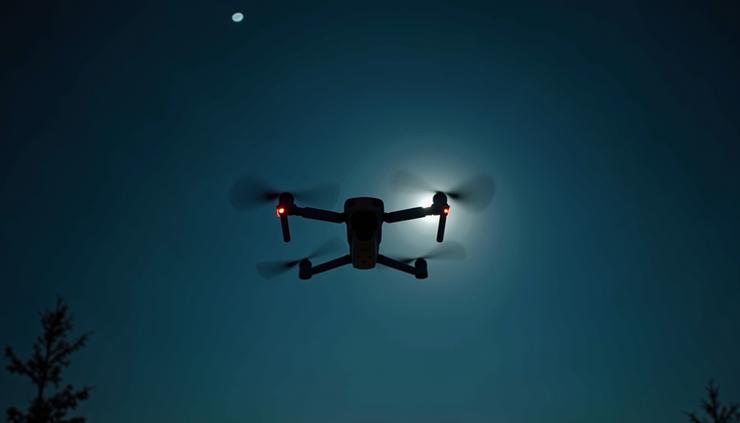
Today, the Delhi skyline witnessed more than a flypast. It became the stage for a historic event that combined technology, culture, and diplomacy. On Republic Day 2026, a fleet of 5,000 AI-driven drones performed the Vande Mataram Drone Show, marking 150 years of India’s National Song. This display was not just a celebration of heritage but a clear signal of India’s growing technological prowess and its expanding role on the global stage.
Alongside this spectacle, the presence of top European Union leaders at the India-EU Summit hinted at a significant diplomatic milestone: the near-finalization of the Free Trade Agreement (FTA). This event shows how New Delhi is becoming a center for shaping the future of global stability.

The Vande Mataram Drone Show: A New Chapter in Celebrations
The Republic Day 2026 celebrations introduced a new tradition with the Vande Mataram Drone Show. Unlike traditional flypasts or parades, this event used AI technology to create dynamic images in the sky. The drones formed scenes from India’s history, cultural symbols, and the national flag, all synchronized to the tune of Vande Mataram. This was a vivid reminder of the song’s 150-year legacy and its role in inspiring generations.
The drones were powered by Atmanirbhar AI, developed by Indian engineers, showcasing the country’s commitment to self-reliance in technology. This innovation reflects India’s broader goal to lead in AI and drone technology, not just for celebrations but for practical applications in agriculture, disaster management, and urban planning.
Key Highlights of the Drone Show
5,000 drones flew in precise formations, creating detailed images visible from across the city.
The show lasted 20 minutes, combining visuals with music and narration.
Scenes included historical moments like the first singing of Vande Mataram, freedom struggle icons, and modern India’s achievements.
The drones used eco-friendly batteries, aligning with India’s green energy goals.
This event set a new standard for how technology can enhance national pride and cultural storytelling.
India-EU Summit: A Diplomatic Turning Point
While the skies dazzled, the ground in New Delhi was equally busy with high-level diplomacy. The India-EU Summit brought together leaders from both sides to discuss trade, security, and climate cooperation. The summit’s highlight was the near-finalization of the Free Trade Agreement (FTA), which promises to deepen economic ties between India and the European Union.
This agreement is expected to:
Reduce tariffs on goods and services
Encourage investment in technology and infrastructure
Strengthen cooperation on climate change and sustainable development
Enhance collaboration on digital economy and AI research
The presence of EU’s top officials during the Republic Day 2026 celebrations underscored the importance of this partnership. It signals a shift in global alliances, with India emerging as a key player in shaping economic and geopolitical stability.

Kartavya Path Parade: Tradition Meets Innovation
The Republic Day 2026 also featured the Kartavya Path Parade, a traditional display of India’s military strength and cultural diversity. This year, the parade incorporated new elements reflecting India’s technological progress and global ambitions.
Highlights included:
Marching contingents equipped with AI-assisted gear
Demonstrations of autonomous vehicles and drones used by the armed forces
Cultural performances representing India’s unity in diversity
Tributes to the 150-year legacy of Vande Mataram through music and dance
The parade’s integration of technology with tradition sends a clear message: India respects its past while preparing for the future. The Kartavya Path Parade remains a powerful symbol of national unity and commitment to duty.
The Role of Atmanirbhar AI in India’s Future
The success of the drone show and the technological displays during the parade highlight the growing importance of Atmanirbhar AI in India’s development. This self-reliant AI ecosystem is designed to reduce dependence on foreign technology and build homegrown solutions.
Applications of Atmanirbhar AI include:
Smart city management with real-time data analysis
Precision agriculture to increase crop yields
Healthcare diagnostics and telemedicine
Disaster response with AI-powered drones and robots
By investing in AI, India aims to boost economic growth, create jobs, and improve quality of life for its citizens. The Republic Day 2026 events showcased these ambitions in a way that was visible to millions.
What This Means for India and the World
The combination of the Vande Mataram Drone Show, the India-EU Summit, and the Kartavya Path Parade on Republic Day 2026 reflects a new phase for India. It is a country that honors its history while embracing technology and global partnerships.
For Indian citizens, this event is a source of pride and inspiration. It shows how tradition and innovation can coexist and strengthen national identity.
For geopolitical analysts, the India-EU Summit signals a shift in global alliances. The FTA will likely influence trade patterns and diplomatic relations in the coming years.
For tech enthusiasts, the use of Atmanirbhar AI in such a high-profile event demonstrates India’s growing capabilities in artificial intelligence and drone technology.
The Republic Day 2026 celebrations in New Delhi were more than a display of patriotism. They were a clear statement about India’s future: a future where technology, culture, and diplomacy come together to build a stronger nation and a more stable world. As the drones disappeared into the night sky, the message was clear—India is ready to lead on multiple fronts, and the world is watching.


