Celestial Celebrations A Look at How Makar Sankranti Unites Tradition and Science

The sun’s shift into Capricorn on January 14th marks more than just a change in the calendar. Across the Indian subcontinent, this day sparks a vibrant celebration known by many names—Makar Sankranti, Pongal, Lohri, Bihu—each reflecting unique regional customs. This event blends astronomy, culture, and wellness into a spectacular festival that honors the harvest and the return of longer days. For cultural travelers, photographers, and wellness enthusiasts, Makar Sankranti 2026 offers a rich tapestry of traditions and science to explore.
The Sun’s Journey and Its Cultural Impact
Makar Sankranti celebrates the sun’s transit into the zodiac sign of Capricorn, known as Makara in Sanskrit. This astronomical event signals the end of winter’s grip and the gradual return of longer, warmer days. The festival’s timing is precise, based on solar movements rather than the lunar calendar, which makes it unique among Indian festivals.
This solar shift has deep agricultural significance. It marks the harvest season when farmers gather crops and prepare for new sowing. Across India, communities express gratitude for nature’s bounty through rituals, feasts, and decorations. The festival’s widespread observance, despite regional differences, highlights a shared respect for the sun’s power and its role in sustaining life.
Diverse Traditions Across Regions
Each region celebrates this day with distinct customs that reflect local culture and history. In Punjab, Lohri lights up the night with bonfires, folk songs, and dance. People dress in vibrant attire, and Lohri outfit ideas trending this year include traditional phulkari dupattas paired with modern silhouettes, blending heritage with style.
In Tamil Nadu, Pongal is the centerpiece, where families create Pongal rangoli designs simple enough for everyone to join in. These geometric patterns, often inspired by mathematical symmetry, decorate homes and invite prosperity. The cooking of the Pongal dish itself is a ritual, symbolizing abundance and community.
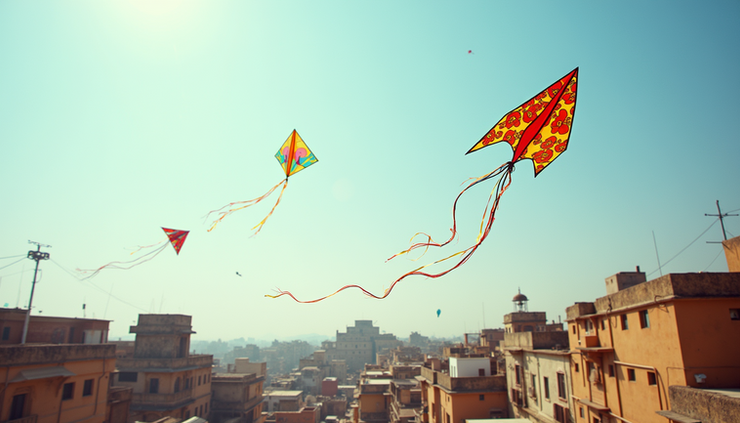
Assam’s Bihu combines music and dance to welcome the harvest, while in Gujarat and Rajasthan, the International Kite Festival Jaipur turns the sky into a playground of colors. This festival is not just a sport but a cultural event where mythology and aerodynamics meet, attracting visitors eager to capture the spectacle.

The Science Behind the Traditions
Many of the festival’s customs have practical roots in health and wellness. The widespread use of sesame seeds (til) and jaggery (gud) during Makar Sankranti is a prime example. These ingredients are more than symbolic; they offer real benefits of eating til and jaggery during winter.
Sesame seeds are rich in healthy fats, calcium, and antioxidants, which help strengthen bones and boost immunity. Jaggery provides iron and helps detoxify the body. Together, they form a natural winter immunity hack that our ancestors understood well before modern nutrition science.
Eating sweets made from til and jaggery during Makar Sankranti supports energy levels and warmth in cold weather. This tradition aligns with Ayurveda principles, which emphasize seasonal eating to maintain balance and health.
The Visual and Social Spectacle
The International Kite Festival Jaipur is a highlight for many travelers and photographers. The festival transforms the city’s skyline with thousands of kites in every shape and color. Watching the kites battle in the sky offers a unique blend of art, sport, and cultural storytelling.
This event draws crowds to rooftops and open spaces, creating a lively atmosphere perfect for capturing dynamic photos. The festival also symbolizes the triumph of light over darkness, echoing the festival’s deeper meaning of hope and renewal.

Preparing for Makar Sankranti 2026
If you plan to experience this festival, consider these tips:
For photographers, early morning and late afternoon light provide the best conditions to capture the kite festival and rangoli designs.
Food and wellness bloggers can explore recipes featuring sesame and jaggery, highlighting their health benefits.
Travelers interested in culture should explore regional variations, from Punjab’s bonfires to Tamil Nadu’s Pongal celebrations.
For those sending greetings, personalized Makar Sankranti 2026 wishes that mention local customs add warmth and authenticity.
Fashion enthusiasts can look for Lohri outfit ideas trending this year, combining traditional embroidery with contemporary cuts, perfect for festive gatherings.
A Festival That Connects Past and Present
Makar Sankranti is more than a harvest festival. It is a moment when science and tradition meet, creating a celebration that honors the sun’s journey, nature’s gifts, and human creativity. The festival’s rituals, foods, and festivities offer a window into India’s rich cultural heritage and its deep understanding of natural cycles.
For cultural travelers and Gen Z heritage enthusiasts, Makar Sankranti 2026 is an invitation to witness a living tradition that blends astronomy, wellness, and art. Whether you join the kite battles in Jaipur, admire the Pongal rangoli designs simple yet meaningful, or enjoy the warmth of a Lohri bonfire, you become part of a story that has been told for centuries.
Embrace the festival’s spirit by exploring its many faces and sharing your own experiences. The harvest is here, and it brings light, health, and joy to all who celebrate.


